In a significant diplomatic recalibration, India appears to be looking beyond its long-standing ally Sheikh Hasina and the Awami League in Bangladesh, signaling a potential tilt towards engaging with the Bangladesh Nationalist Party (BNP) led by Tarique Rahman. This strategic shift follows the dramatic political upheaval in Dhaka during the summer of 2024.
The Fall of the Awami League Government
The context for this policy reassessment is the mass agitation across Bangladesh in July-August 2024, which ultimately led to the fall of the government headed by Prime Minister Sheikh Hasina. The Awami League, which had maintained close ties with New Delhi for over a decade, was compelled to step down. In the ensuing political vacuum, Nobel laureate Muhammad Yunus took over as the head of an interim government in Dhaka to steer the nation towards fresh elections.
India's Diplomatic Outreach and a Notable Omission
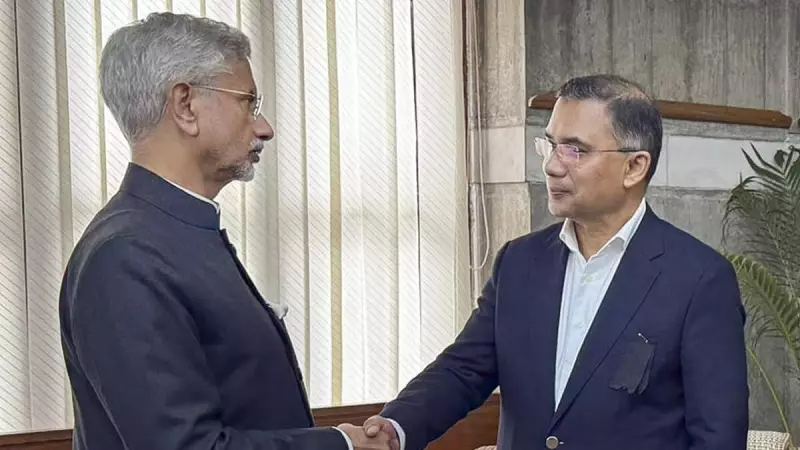
India's External Affairs Minister, Dr. S. Jaishankar, has been at the forefront of navigating this new political landscape. However, in a move that has drawn considerable attention from analysts, Jaishankar's diplomatic engagements did not include a meeting with the interim head, Muhammad Yunus. This omission is being widely interpreted as a clear signal of India's cautious approach towards the current transitional setup and its intent to build channels with other major political forces.

The focus, instead, seems to be on opening lines of communication with the principal opposition, the BNP, which is now led by Tarique Rahman. Rahman, the acting chairman of the party and son of its founder, has historically been viewed with suspicion by Indian security establishments. A potential re-engagement with the BNP under his leadership marks a substantial evolution in India's foreign policy calculus regarding its eastern neighbour.
Implications for Regional Geopolitics
This nuanced shift suggests that India is pragmatically preparing for a future where the BNP could return to power. The core objectives likely remain unchanged:
- Securing regional stability and preventing a security vacuum.
- Ensuring that anti-India extremist elements do not find space to operate.
- Protecting its significant economic and connectivity investments in Bangladesh.
By engaging with Tarique Rahman's faction, New Delhi may be aiming to influence the BNP's stance on issues critical to Indian interests and ensure continuity in bilateral relations regardless of which party governs in Dhaka. The decision to bypass a meeting with Yunus, while not a rejection, indicates a preference for dealing with established political structures over a technocratic interim administration.
This recalibration, observed by the end of December 2025, underscores the fluid nature of diplomacy. India is demonstrating a flexible and realpolitik-driven approach, prioritising its long-term strategic interests in Bangladesh over unwavering allegiance to a single political entity. The coming months will reveal how this outreach shapes the future of India-Bangladesh relations.