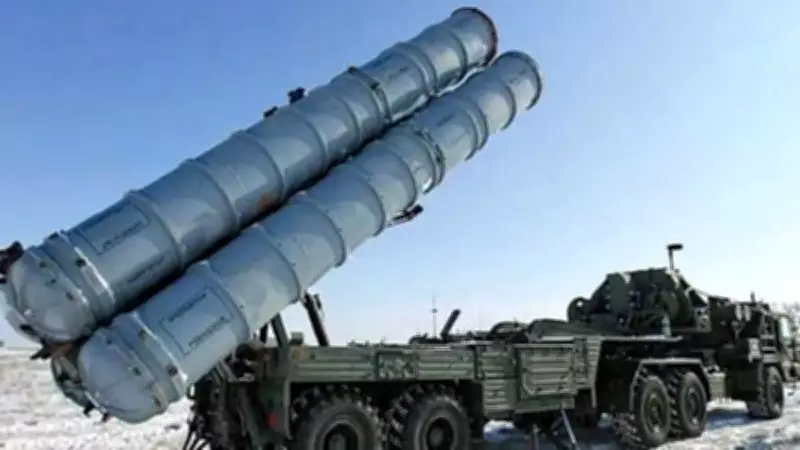
India to Procure Five New S-400 Squadrons as Chinese Air Defense System Falters
In a significant move to bolster its national security, India is set to procure five new squadrons of the advanced S-400 Triumf air defense missile systems from Russia. This strategic acquisition, scheduled for completion by 2026, comes at a time when China's own air defense capabilities are reportedly facing operational challenges.
Strategic Military Enhancement
The decision to expand India's S-400 arsenal underscores the nation's commitment to strengthening its air defense infrastructure. The S-400 system, known for its long-range capabilities and ability to engage multiple targets simultaneously, will provide India with a formidable shield against aerial threats. This procurement aligns with India's broader defense modernization efforts, aimed at countering regional security dynamics and ensuring territorial integrity.
Timeline and Implementation
The acquisition process is expected to be finalized by 2026, with deliveries phased over the coming years. This timeline allows for seamless integration into India's existing defense framework, enhancing interoperability with other military assets. The move follows India's previous procurement of S-400 systems, which have already been inducted into service, demonstrating the country's reliance on this cutting-edge technology for air defense superiority.

Context of Chinese Air Defense Issues
This procurement gains added significance amid reports that China's air defense systems are experiencing technical and operational shortcomings. While specific details remain classified, analysts suggest that these challenges could impact China's ability to maintain air superiority in contested regions. India's investment in the S-400, therefore, not only boosts its own defenses but also positions it advantageously in the regional security landscape, where air power plays a critical role.
Implications for Regional Security
The addition of five S-400 squadrons will significantly enhance India's deterrence capabilities, particularly along its northern borders. This development is likely to influence military strategies in South Asia, prompting neighboring countries to reassess their defense postures. Furthermore, it reinforces India's strategic partnership with Russia, a key supplier of defense equipment, amid evolving global geopolitics.
In summary, India's plan to procure five new S-400 squadrons by 2026 marks a pivotal step in its defense strategy, driven by the need to address emerging threats and capitalize on technological advancements. As China grapples with air defense vulnerabilities, India's proactive measures underscore its resolve to safeguard national interests and maintain regional stability.