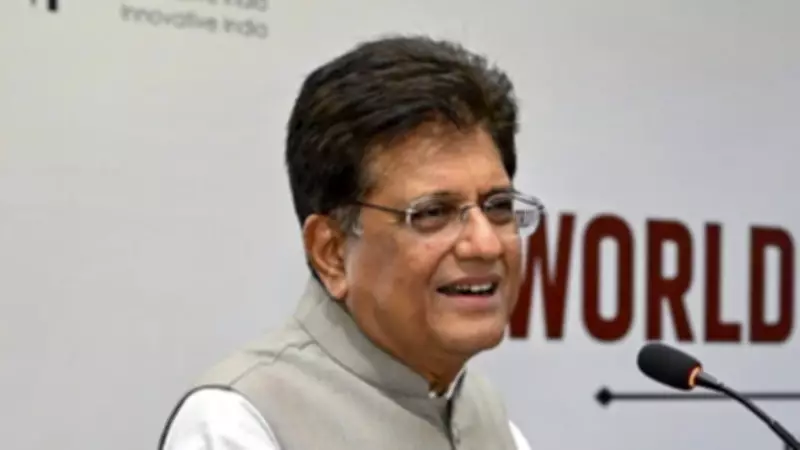
India's trade agreement with the United Arab Emirates (UAE) has significantly boosted bilateral trade, pushing it beyond the $100 billion mark, according to Commerce and Industry Minister Piyush Goyal. Speaking at an event, Goyal highlighted that the Comprehensive Economic Partnership Agreement (CEPA), which came into effect in May 2022, has been instrumental in deepening economic ties between the two nations.
Key Achievements of the Trade Pact
The CEPA has not only increased trade volumes but also facilitated investments and enhanced market access. The pact covers goods, services, and digital trade, aiming to create new opportunities for businesses. Goyal noted that the agreement has helped Indian exporters gain preferential access to the UAE market, leading to a surge in exports of sectors like textiles, pharmaceuticals, and engineering goods.
Impact on Bilateral Relations
The trade milestone underscores the strengthening of India-UAE relations, which have expanded beyond traditional energy ties to include technology, finance, and infrastructure. The UAE is now India's third-largest trading partner, and the pact has set a target to reach $100 billion in non-oil trade by 2030, a goal that has been achieved ahead of schedule.

Future Prospects
Goyal expressed optimism about further growth, emphasizing that the CEPA serves as a model for future trade agreements. He urged Indian businesses to leverage the pact to explore new markets and enhance competitiveness. The minister also highlighted ongoing negotiations for similar agreements with other countries, aiming to boost India's global trade footprint.
The success of the India-UAE trade pact is expected to encourage other nations to pursue comprehensive trade deals with India, fostering economic integration and mutual prosperity.