India's Push for Rafale Co-Production and Maintenance Gains French Support
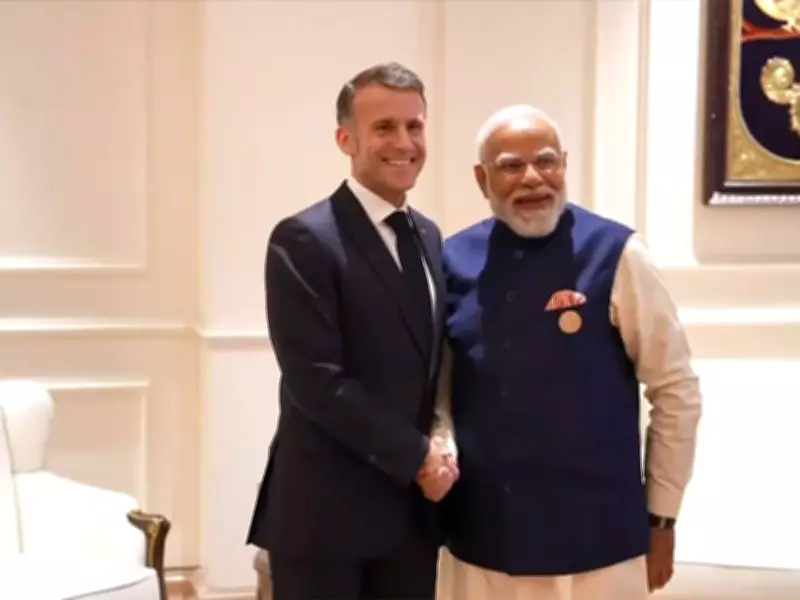
French President Emmanuel Macron has publicly acknowledged India's legitimate interest in co-producing Rafale fighter jets and taking on a greater role in their maintenance. This statement underscores a significant development in the strategic defense partnership between the two nations, moving beyond mere procurement to deeper industrial and technological collaboration.
A Strategic Shift in Defense Cooperation
President Macron's remarks highlight a pivotal moment where India is not just a buyer but an aspiring partner in advanced aerospace manufacturing. The request for co-production aligns with India's 'Make in India' initiative, aiming to bolster domestic defense capabilities, reduce long-term costs, and achieve technological self-reliance. By seeking to handle more maintenance operations, India also aims to enhance its operational autonomy and develop a robust ecosystem for servicing advanced military aircraft.
Legitimacy and Mutual Benefits
Macron described India's aspirations as "legitimate," signaling France's openness to such collaboration. This potential partnership could offer France a stable, long-term ally in the Indo-Pacific region, while providing India with critical access to cutting-edge aviation technology and expertise. Co-production would involve sharing manufacturing processes, which could lead to job creation, skill development, and the transfer of sophisticated engineering knowledge to Indian industries.

Implications for Regional Security
Enhanced defense ties between India and France, particularly through projects like Rafale co-production, strengthen India's military preparedness and deterrence capabilities. It reflects a shared commitment to maintaining stability in the region, countering common security challenges, and promoting a multipolar world order. This collaboration could set a precedent for future defense deals, encouraging other nations to engage in similar technology-sharing agreements with India.
Future Prospects and Challenges
While the political will appears strong, realizing co-production and expanded maintenance roles will require navigating complex negotiations on technology transfer, intellectual property rights, and cost-sharing. Both nations will need to establish clear frameworks to ensure mutual benefits and operational efficiency. Success in this endeavor could transform India's defense landscape, making it a key player in global aerospace manufacturing and maintenance networks.