Indian Commercial Ships Reverse Course in Strait of Hormuz Following Iranian Gunfire Incident
In a significant development impacting global maritime trade, multiple Indian commercial vessels altered their navigation paths in the strategically vital Strait of Hormuz after reports emerged of Iranian gunfire in the area. According to data from a prominent vessel tracking service, the ships executed a course reversal, underscoring heightened tensions in one of the world's most crucial shipping lanes.
Details of the Incident and Immediate Response
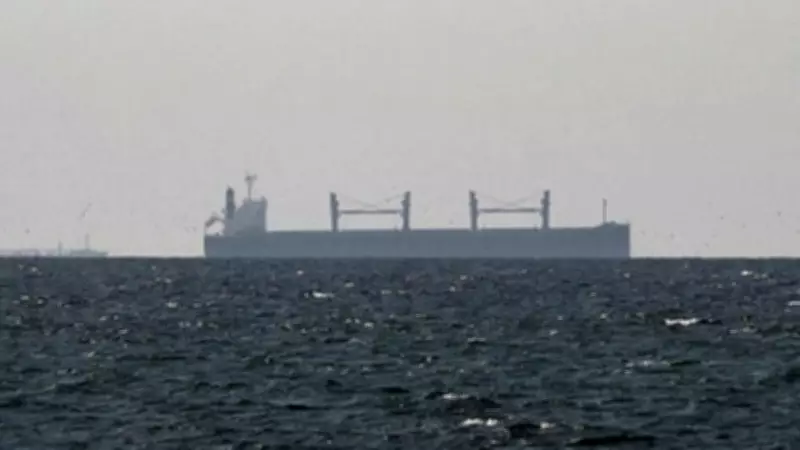
The incident occurred as the Indian-flagged ships were transiting through the narrow Strait of Hormuz, a chokepoint for approximately one-fifth of the world's oil shipments. Vessel tracking information indicated that the ships changed direction abruptly following the detection of gunfire originating from Iranian forces or affiliated entities in the region. This swift response by the vessels' crews highlights the ongoing security concerns and the need for constant vigilance in these volatile waters.
The Strait of Hormuz remains a focal point for geopolitical tensions, particularly involving Iran and its neighbors. This event follows a pattern of similar incidents where commercial shipping has been disrupted due to regional conflicts and military activities. The immediate alteration in course by the Indian ships demonstrates the operational protocols in place to mitigate risks and ensure the safety of crew and cargo.

Broader Implications for Maritime Security and Trade
This incident raises serious questions about the security of maritime routes in the Middle East. The Strait of Hormuz is not only critical for oil exports but also for the global supply chain, with thousands of vessels passing through annually. Any disruption here can have far-reaching consequences for international trade and energy markets.
Experts note that such events could lead to increased insurance premiums for ships operating in the area, potentially driving up costs for goods transported via this route. Additionally, there may be calls for enhanced naval patrols and international cooperation to safeguard these waters against further incidents.- The involvement of Indian ships highlights the global nature of maritime trade and the vulnerabilities faced by vessels from various nations.
- Iran's actions in the Strait have been a point of contention, with previous incidents involving seizures and confrontations with other countries' vessels.
- The vessel tracker's role in providing real-time data is crucial for monitoring such situations and informing response strategies.
As tensions persist, stakeholders in the shipping industry and international bodies are likely to reassess security measures and diplomatic efforts to ensure safe passage through the Strait of Hormuz. The incident serves as a stark reminder of the delicate balance between geopolitical strife and the smooth functioning of global commerce.