

Indian Tankers Forced to Retreat in Strait of Hormuz Following Iranian Naval Intervention
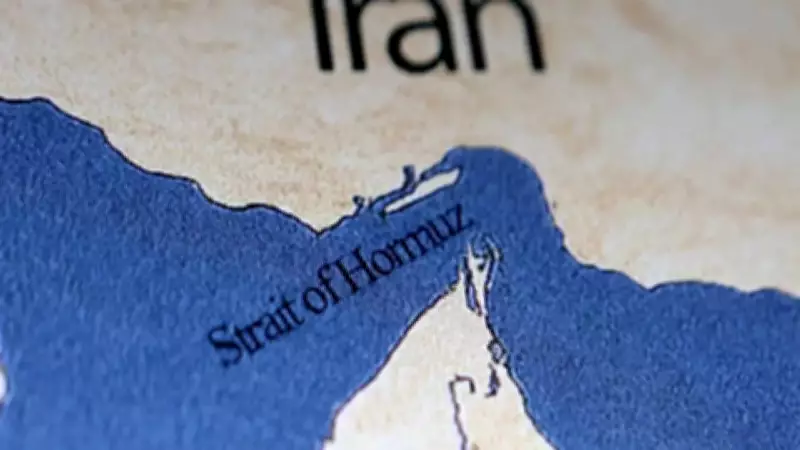
In a significant maritime incident, two Indian-flagged tankers were compelled to reverse course in the strategically vital Strait of Hormuz after being denied passage by the Iranian Revolutionary Guard Navy. This development occurred shortly after Iran announced the closure of the narrow waterway, which serves as a critical global oil and gas transit route.
Bhagya Lakshmi's Failed Attempt to Cross
The tanker Bhagya Lakshmi was one of the vessels directly impacted. In a video shared by an Iranian journalist on social media platform X, crew members of the ship can be heard attempting to communicate with the Iranian Navy, urgently requesting permission to navigate through the strait. "Iranian Navy, this is Bhagya Lakshmi. I read you loud and clear," a crew member stated in the audio recording.
However, the response from the Iranian naval forces was unequivocal and immediate. They instructed the vessel to "turn around immediately," a command with which the Bhagya Lakshmi promptly complied, halting its intended transit.

Distress Call from Sanmar Herald Amid Gunfire Reports
Simultaneously, another distressing situation unfolded involving the crude oil tanker Sanmar Herald. A crew member aboard this vessel issued a frantic distress call, captured in audio recordings, stating: "Sepah Navy. Sepah Navy. This is motor tanker Sanmar Herald. You gave me clearance to go. My name is second on your list. You are firing now. Let me turn back."
According to sources, both Indian-flagged tankers turned back in the Strait of Hormuz after reportedly being fired upon by Iranian gunboats. Fortunately, no injuries were reported, and the vessels sustained no damage from the firing incident. The Strait of Hormuz is a crucial maritime chokepoint, through which approximately one-fifth of the world's oil and gas passes, and it has become a focal point of confusion amid escalating regional tensions involving the United States, Israel, and Iran.
Wider Context of Restricted Maritime Transit
A Reuters report detailed that multiple vessels attempting to cross the Strait of Hormuz on Saturday received radio messages from Iran's navy informing them they were not permitted to pass. Additionally, two ships reported being struck by gunfire. The situation arose despite a notice to mariners issued a day earlier, which indicated that passage was allowed but would be restricted to lanes deemed safe by Iranian authorities.
India's Diplomatic Response and Concerns
In response to these alarming events, India has formally raised concerns regarding the safety of merchant shipping and sailors. The Ministry of External Affairs highlighted that Iran had previously assisted in ensuring safe passage for several India-bound ships, underscoring the unexpected nature of this incident.
Foreign Secretary Vikram Misri engaged directly with the Iranian ambassador to India, urging him to convey New Delhi's apprehensions to authorities in Tehran. Misri emphasized the urgent need to restore the process of facilitating safe passage for Indian ships through the Strait of Hormuz at the earliest opportunity. The Iranian ambassador assured that India's concerns would be promptly communicated to the relevant Iranian officials.
Iran's Official Statements and Warnings
Iran addressed the shooting incident involving India-flagged vessels against the backdrop of rising regional tensions. Dr. Abdul Majid Hakeem Ilahi, the representative of Iran's Supreme Leader in India, commented on the bilateral relationship, stating: "The relationship between Iran and India is very strong and I don't know anything about this event which you mentioned and we hope that it will be okay and it will be solved." He further called for peace in the region.
Subsequently, Iran's joint military command announced that control over the Strait of Hormuz had returned to "strict management" by the armed forces. In a more pointed warning, the Islamic Revolutionary Guard Corps (IRGC), through the Tasnim news agency, indicated that vessels approaching the strait could be treated as acting in support of hostile forces and, as such, could be targeted.

This incident underscores the volatile security environment in one of the world's most important maritime corridors, with significant implications for global energy supplies and international diplomatic relations.





