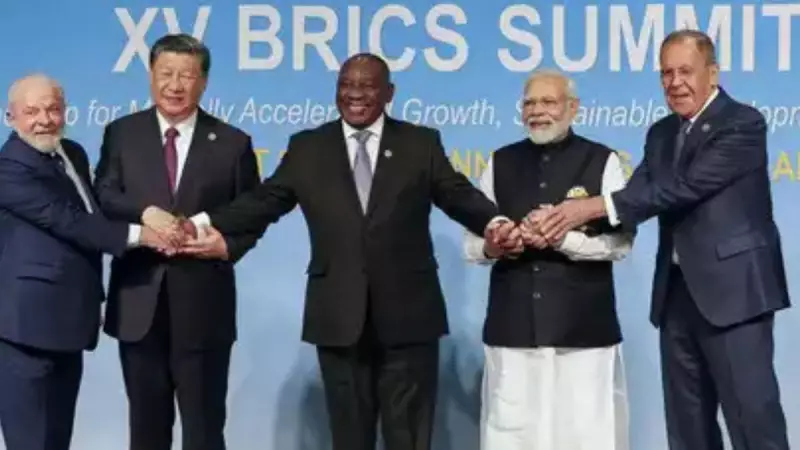
India is poised to assume a pivotal role on the global stage as it prepares to take over the presidency of the BRICS grouping in 2026. This leadership position marks a significant moment for Indian diplomacy, offering a platform to shape the agenda for one of the world's most influential economic blocs. The presidency follows a rotational cycle among the member nations—Brazil, Russia, India, China, and South Africa—and comes at a time of profound geopolitical and economic shifts.
India's Strategic Vision for the 2026 BRICS Presidency
The core of India's approach will be anchored in a theme that emphasizes inclusive growth, sustainable development, and innovation-driven cooperation. New Delhi is expected to leverage its presidency to amplify the voices and address the common challenges faced by developing nations, often referred to as the Global South. A key focus will be on building resilient supply chains, promoting digital transformation, and enhancing food and energy security in a volatile world.
India's tenure will aim to strengthen intra-BRICS collaboration in critical areas such as space research, artificial intelligence, and green technologies. The presidency will also seek to consolidate the bloc's role in reforming multilateral institutions to better reflect contemporary global realities. This vision aligns with India's longstanding foreign policy objectives of advocating for a more equitable and multipolar world order.
Key Highlights and Expected Outcomes
The operational blueprint for the 2026 presidency will involve a series of high-level meetings and ministerial dialogues culminating in the annual BRICS Summit, which India will host. Key highlights of the agenda are projected to include:
- Expansion of Cooperation: Deepening ties in areas like cybersecurity, counter-terrorism, and public health, building on the collaborative foundations laid during previous presidencies.
- Economic Integration: Pushing for greater use of local currencies in trade and finance among member states to reduce dependency on traditional reserve currencies.
- People-to-People Ties: Enhancing cultural and academic exchanges, as well as tourism, to foster stronger bonds between the citizens of BRICS nations.
- Sustainable Development Goals (SDGs): Prioritizing joint initiatives that accelerate progress towards achieving the UN's SDGs, with a special focus on climate action and clean energy.
Implications for India and the Global Order
India's presidency of BRICS in 2026 is more than a ceremonial role; it is a strategic opportunity. It allows India to position itself as a principal bridge between the developing and developed worlds. By steering the bloc's focus towards practical cooperation and development, India can significantly enhance its own geopolitical standing and economic influence.
For the world, a successful Indian presidency could mean a more cohesive and action-oriented BRICS that effectively champions the interests of emerging economies. It could lead to tangible initiatives in technology sharing, infrastructure development, and crisis management. The outcomes will be closely watched as indicators of the bloc's capacity to evolve into a formidable pillar of global governance, offering alternatives and shaping narratives in the 21st century.
As 2026 approaches, diplomatic channels are expected to intensify their preparations to ensure that India's presidency leaves a lasting legacy of strengthened partnership and meaningful progress for all member states and their partners across the Global South.