From Khomeini's Roots to Chabahar's Reach: India's Deepening Iran Connect
India's relationship with Iran is a multifaceted tapestry woven from historical, cultural, and strategic threads, evolving significantly over the decades. This connection, which traces back to the era of Ayatollah Khomeini, has now expanded into a robust partnership centered on the Chabahar Port, reflecting India's growing influence in the region.
Historical Foundations: Ayatollah Khomeini's Indian Links
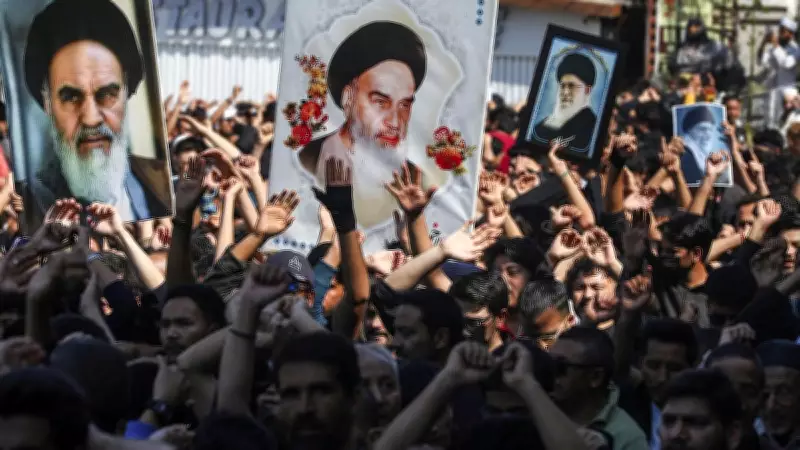
The roots of India-Iran ties can be traced to the early 20th century, when Ayatollah Ruhollah Khomeini, the founder of the Islamic Republic of Iran, spent time in India. During his exile, Khomeini resided in the city of Najafabad, but his ideological influences included interactions with Indian scholars and thinkers. This period highlighted the cultural and intellectual exchanges between the two nations, laying a foundation for diplomatic engagement.
In the post-independence era, India and Iran maintained cordial relations, with both countries navigating the complexities of Cold War politics. India's non-aligned stance and Iran's regional ambitions often aligned, fostering cooperation in areas such as energy and trade. The 1979 Iranian Revolution, led by Khomeini, initially strained ties due to geopolitical shifts, but over time, both nations worked to rebuild their relationship based on mutual interests.

Strategic Expansion: The Chabahar Port Project
In recent years, the Chabahar Port has emerged as a cornerstone of India-Iran relations. Located on Iran's southeastern coast, this port provides India with a strategic gateway to Central Asia and Afghanistan, bypassing Pakistan. India has invested significantly in developing Chabahar, enhancing its infrastructure to facilitate trade and connectivity.
The port project is not just about economic benefits; it is a key element of India's broader regional strategy. By leveraging Chabahar, India aims to boost its trade routes, counter China's Belt and Road Initiative, and strengthen its presence in the Indian Ocean region. This initiative has led to increased bilateral trade, with India importing oil and other commodities from Iran while exporting goods like rice and pharmaceuticals.
Current Dynamics and Future Prospects
Today, India-Iran relations are characterized by a blend of cooperation and caution. On one hand, both countries collaborate on energy security, with Iran being a major oil supplier to India. On the other hand, geopolitical factors, such as U.S. sanctions on Iran, have posed challenges, requiring diplomatic finesse from India to balance its ties with Iran and other global powers.
Looking ahead, the future of this relationship appears promising, with several key areas for growth:
- Trade Enhancement: Expanding the Chabahar corridor to include more regional partners could boost economic integration.
- Energy Cooperation: Developing joint ventures in oil and gas sectors to ensure stable energy supplies for India.
- Cultural Exchanges: Strengthening people-to-people ties through educational and tourism initiatives.
- Security Collaboration: Addressing shared concerns like terrorism and maritime security in the region.
In conclusion, from the historical connections rooted in Ayatollah Khomeini's era to the modern strategic reach of the Chabahar Port, India's Iran connect is a testament to enduring diplomacy and shared aspirations. As both nations navigate global complexities, this partnership is poised to play a pivotal role in shaping regional stability and prosperity.