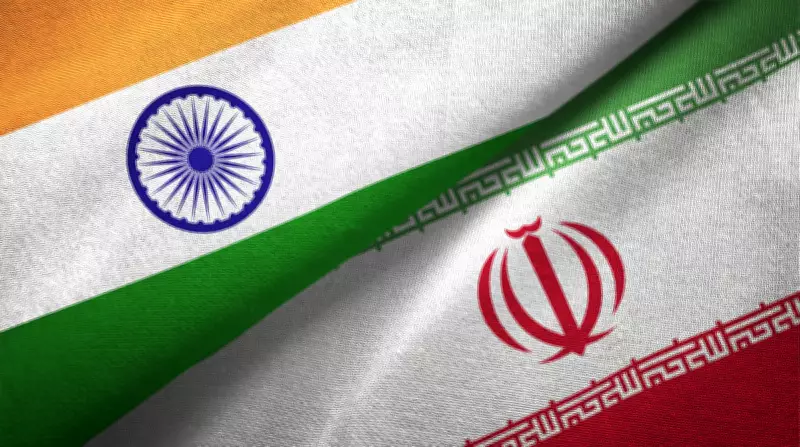
India's Complex Strategic Challenge in Iran and the Gulf Region
As violence continues to spread across Iran and the broader Gulf area, New Delhi finds itself confronting a multifaceted diplomatic and strategic dilemma that requires careful navigation. The escalating tensions in West Asia present India with three critical risks that must be balanced against its established foreign policy doctrine of calibrated autonomy.
The Three Critical Risks Facing Indian Policy
India's strategic position in relation to Iran involves navigating a complex web of interconnected challenges that demand immediate attention and sophisticated diplomatic handling.
Energy Security ImperativesIran represents a crucial energy partner for India, with significant implications for the country's energy security framework. As one of the world's largest energy consumers, India relies on stable and diversified energy supplies to fuel its growing economy. The current instability in Iran and surrounding regions threatens to disrupt these vital energy flows, potentially impacting India's economic growth trajectory and development objectives.

India maintains a substantial diaspora presence throughout the Gulf region, including in Iran, with millions of Indian citizens working and living in these areas. Their safety and security have become paramount concerns for the Indian government as violence escalates. Any deterioration in regional stability could necessitate complex evacuation operations and diplomatic interventions to protect Indian nationals abroad.
Great-Power Rivalry NavigationThe Iranian situation sits at the intersection of multiple great-power interests, including those of the United States, China, Russia, and regional powers. India must carefully navigate these competing interests while maintaining its strategic autonomy and advancing its own national interests in the region. This requires sophisticated diplomatic maneuvering to avoid being drawn into conflicts while protecting India's growing regional influence.
The Doctrine of Calibrated Autonomy
India's foreign policy approach, characterized as calibrated autonomy, provides the framework for addressing these complex challenges. This doctrine emphasizes strategic independence while maintaining flexibility to engage with multiple international partners based on specific national interests.
The current Iranian situation tests this doctrine's effectiveness as India must simultaneously:
- Maintain energy relationships critical to economic development
- Ensure the safety of its substantial diaspora population
- Navigate complex international power dynamics
- Protect its growing strategic interests in West Asia
- Avoid alignment that might compromise broader foreign policy objectives
Strategic Implications for Indian Foreign Policy
The evolving situation in Iran represents more than just a regional crisis for India—it constitutes a significant test of the country's emerging global diplomatic capabilities. How New Delhi manages this complex balancing act will have implications for:
- Regional Influence: India's ability to maintain and expand its influence in West Asia
- Economic Security: Protection of vital energy supplies and economic interests
- Diplomatic Credibility: Demonstration of sophisticated diplomatic capabilities on the world stage
- Strategic Partnerships: Management of relationships with both Western powers and regional actors
As the situation continues to develop, Indian policymakers face the challenging task of implementing a strategy that addresses immediate concerns while positioning the country advantageously for long-term regional engagement. The delicate balance between pragmatism and principle, between immediate needs and strategic objectives, defines India's current diplomatic challenge in relation to Iran and the broader Gulf region.