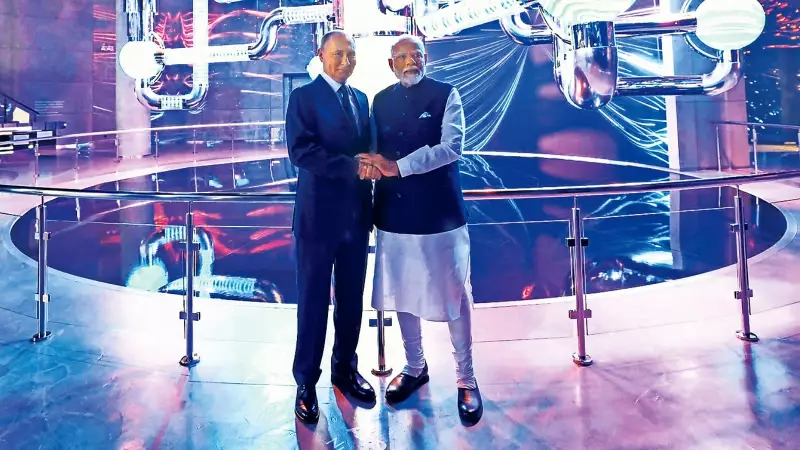
Prime Minister Narendra Modi has publicly intervened in the escalating war of words between Russia and Ukraine, expressing deep concern over Moscow's allegations of an attack targeting the residence of President Vladimir Putin. His call for all parties to remain focused on critical diplomatic negotiations, however, was met with a sharp rebuttal from Kyiv, which flatly denied the incident ever occurred.
Modi's Diplomatic Appeal Amid Escalating Tensions
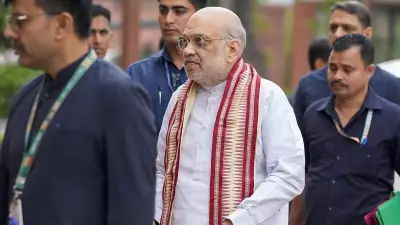
On Tuesday, Prime Minister Modi took to social media platform X to address the serious allegations made by Russia a day earlier. Moscow had accused Ukrainian forces of launching a drone strike on a presidential residence in the northern Novgorod region. In his post, Modi stated he was "deeply concerned by reports of the targeting of the residence of the President of the Russian Federation."
He emphasized that the ongoing diplomatic efforts, which are currently at a critical stage under the brokerage of US President Donald Trump, represent the "most viable path toward ending hostilities and achieving peace." The Indian leader urged "all concerned to remain focused on these efforts and to avoid any actions that could undermine them." Notably, Modi's statement did not directly criticise Ukraine or name any specific party.

Ukraine's Firm Denial and Disappointment with India
The response from Ukraine was swift and pointed. Ukrainian Foreign Minister Andrii Sybiha expressed clear disappointment with the statements from India, as well as from the United Arab Emirates and Pakistan. In a post on X, Sybiha challenged Russia's narrative, stating, "Almost a day passed and Russia still hasn’t provided any plausible evidence to its accusations... And they won’t. Because there’s none. No such attack happened."
Kyiv's frustration was amplified by what it perceives as selective concern. Sybiha highlighted that the three nations had "failed to issue any official statements" when a real Russian missile struck a Ukrainian government building in Kyiv on September 7, 2025. Ukrainian President Volodymyr Zelenskyy had earlier dismissed the Russian accusation as a lie designed to justify Moscow's continued military campaign.
International Reactions and India's Delicate Balancing Act
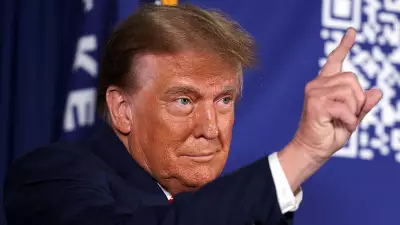
The incident has drawn varied responses from the global community, further complicating the diplomatic landscape. US President Donald Trump stated he was "very angry" about the alleged strike, a sentiment he claimed was relayed to him directly by President Putin. He called the act inappropriate and ill-timed.
Meanwhile, China advised all parties to prevent the conflict from spreading and to avoid actions that fuel hostilities. The UAE, in contrast, explicitly condemned what it termed Kyiv's "deplorable attack" on Putin's residence. Russian Foreign Minister Sergei Lavrov alleged the attack involved 91 long-range drones and vowed retaliation, labeling the act "state terrorism" while admitting Russia was reviewing its negotiating position.
For India, this episode underscores the delicate diplomatic tightrope it has walked since the war began over four years ago. New Delhi has consistently refrained from condemning the Russian invasion and has usually abstained on UN resolutions concerning the conflict. However, it has maintained active communication channels with both sides, hosting President Putin in early December 2025 and planning a visit for President Zelenskyy soon. India has also acted as an intermediary, passing messages between the warring nations in pursuit of a peaceful resolution.