

India's Shia Community and the BJP: Navigating Relations with Iran
In the complex tapestry of Indian politics and foreign policy, the relationship between the Bharatiya Janata Party (BJP) and India's Shia Muslim community has emerged as a significant factor in shaping diplomatic ties with Iran. This dynamic interplay involves domestic religious considerations, regional geopolitics, and strategic international engagements.
Domestic Context: Shia Community in India
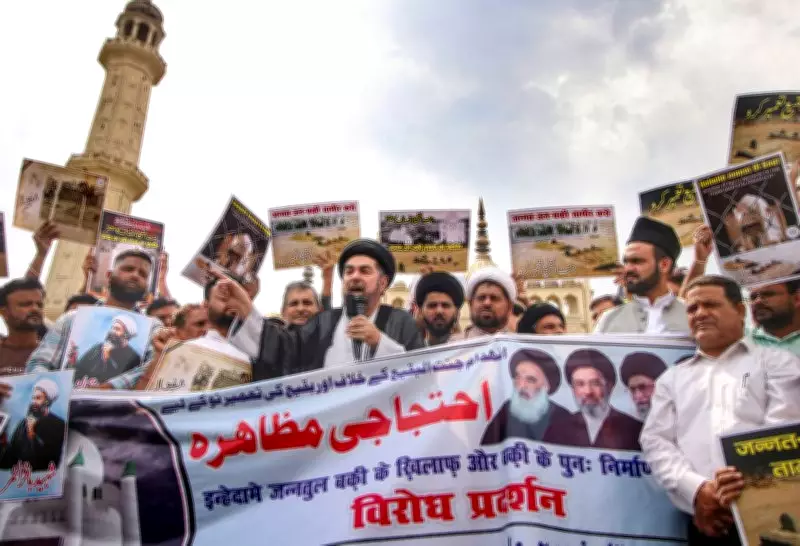
India is home to one of the world's largest Shia Muslim populations, estimated at over 40 million people. This community, while a minority within the broader Muslim demographic, holds considerable cultural, religious, and political influence. Historically, Shias in India have maintained distinct identities and have often engaged with various political parties, including the BJP, based on issues of governance, security, and religious freedom.
The BJP's outreach to Shia groups has been part of its broader strategy to build alliances beyond its traditional Hindu nationalist base. This includes efforts to address concerns related to religious sites, such as the maintenance of Shia shrines and the observance of Muharram processions. However, this engagement is not without challenges, as it must balance the party's ideological positions with the diverse needs of the community.

Diplomatic Implications: Ties with Iran
Iran, as a predominantly Shia nation and a key player in the Middle East, holds strategic importance for India. Bilateral relations are multifaceted, encompassing energy trade, connectivity projects like the Chabahar Port, and shared interests in regional stability. The Shia connection adds a cultural and religious dimension to these ties, potentially influencing diplomatic discourse.
India's Shia community often serves as a bridge in fostering people-to-people contacts and cultural exchanges with Iran. This can enhance soft power and facilitate dialogue on issues such as counterterrorism and economic cooperation. However, the BJP government must navigate this carefully, as it also maintains relationships with other regional powers, including Sunni-majority countries and Israel, which have their own tensions with Iran.
Regional and Global Considerations
The geopolitical landscape in West Asia, marked by conflicts and alliances, directly impacts India's foreign policy. Key factors include:
- Energy Security: Iran is a major oil supplier to India, and disruptions in relations could affect energy imports.
- Strategic Partnerships: India's ties with the United States and Arab states require balancing with its engagement with Iran.
- Security Concerns: Issues like terrorism and maritime security in the Persian Gulf involve collaborative efforts with Iran.
In this context, the Shia factor can both aid and complicate diplomacy. On one hand, it provides a cultural leverage point; on the other, it risks entangling domestic politics with international relations, especially if sectarian issues arise.
Future Prospects and Challenges
Looking ahead, the interplay between India's Shia community, the BJP, and Iran is likely to evolve. Potential developments include:
- Enhanced cultural and religious exchanges to strengthen bilateral ties.
- Increased political representation of Shias within Indian governance structures.
- Ongoing diplomatic balancing acts as regional dynamics shift.
Ultimately, the success of this relationship will depend on pragmatic policy-making that prioritizes national interests while respecting religious and cultural sensitivities. As India continues to assert its role on the global stage, the Shia-Iran connection remains a nuanced aspect of its foreign policy portfolio.






