India's Strategic Drift in Bangladesh: Navigating Political Shifts
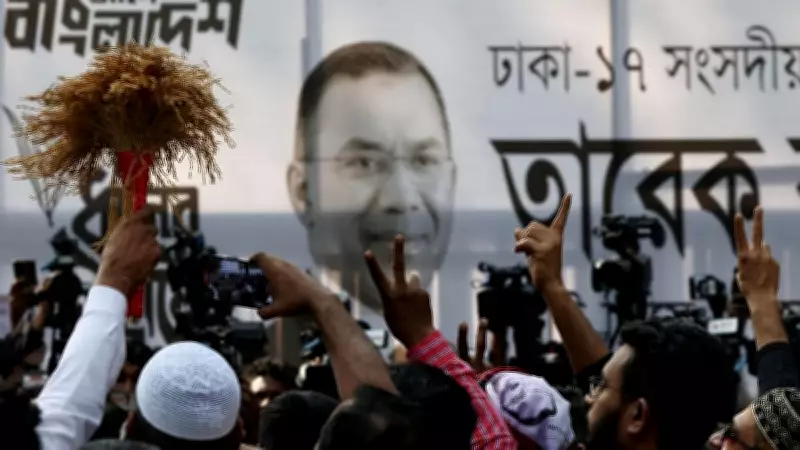
India finds itself in a precarious position in Bangladesh, as political dynamics shift with the rise of the Bangladesh Nationalist Party (BNP) and the retreat of the Awami League. By endorsing what many observers deem a flawed election process and underestimating the enduring strength of Prime Minister Sheikh Hasina, India risks compounding its policy mistakes, potentially leaving its strategic interests adrift in a key neighboring nation.
The Flawed Election Endorsement
India's decision to back the recent electoral process in Bangladesh, despite widespread criticism over its fairness and transparency, has drawn significant scrutiny. This move is seen as a misstep that could alienate segments of the Bangladeshi populace and undermine India's credibility as a democratic partner. Analysts argue that such endorsements, without addressing underlying electoral irregularities, may fuel resentment and weaken long-term bilateral ties.
Key implications include:

- Erosion of trust among Bangladeshi citizens who perceive the election as undemocratic.
- Potential backlash from opposition groups, particularly the BNP, which could view India as biased.
- Strained diplomatic relations if future governments in Bangladesh seek to recalibrate foreign policy away from Indian influence.
Underestimating Sheikh Hasina's Resilience
Concurrently, India's policy approach appears to have overlooked the formidable political strength of Sheikh Hasina and the Awami League. Hasina's leadership has been characterized by significant economic growth and infrastructure development in Bangladesh, bolstering her domestic support. However, internal challenges and the BNP's resurgence pose threats to her administration.
India's failure to fully account for these complexities may lead to:
- Misaligned diplomatic efforts that do not effectively engage with the Awami League's governance realities.
- Missed opportunities to support stability and development in Bangladesh through nuanced partnerships.
- Increased vulnerability to geopolitical shifts as other regional powers, such as China, expand their influence in Bangladesh.
BNP's Resurgence and Regional Implications
The rise of the BNP introduces new variables into India's strategic calculus. As the main opposition party, the BNP's growing popularity could reshape Bangladesh's political landscape, potentially leading to policy shifts that affect India's interests in areas like security, trade, and regional cooperation. India's current drift in policy formulation risks leaving it unprepared for such eventualities, necessitating a more agile and informed approach to bilateral relations.
In summary, India's stance in Bangladesh—marked by an endorsement of a contested election and an underestimation of key political actors—threatens to exacerbate existing policy errors. To avoid further strategic drift, India must reassess its engagement strategies, foster more inclusive dialogues, and adapt to the evolving political realities in Bangladesh to safeguard its regional interests and promote stability.