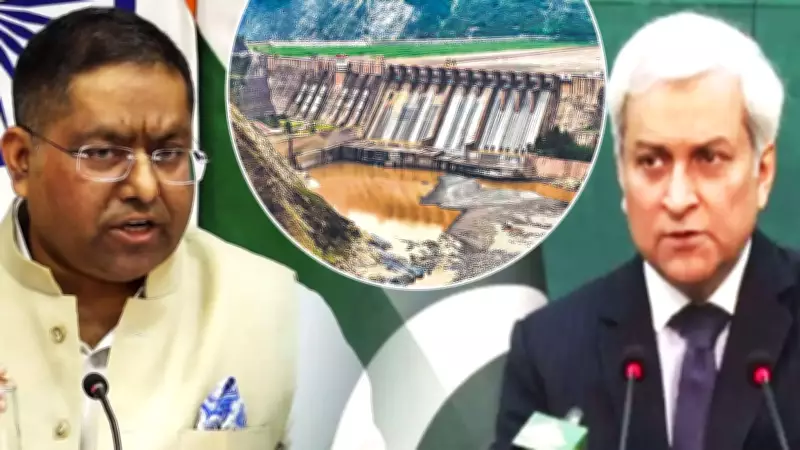
Indus Waters Treaty Tensions Flare as India and Pakistan Clash Over New Dam
The longstanding Indus Waters Treaty between India and Pakistan has been thrust into the spotlight once again, following Pakistan's allegations that India's new Sawalkote hydropower project constitutes a "dewatering" strategy. India has categorically dismissed these claims, defending its sovereign right to pursue infrastructure development within its own territory.
Pakistan's Formal Complaint and India's Firm Response
Pakistan has formally raised the issue through its Indus Water Commissioner, signaling potential legal action under the treaty's dispute resolution mechanisms. In response, India's Ministry of External Affairs has stated that all development projects are based on a thorough understanding of the treaty provisions. The ministry emphasized that India remains committed to its obligations while exercising its rights.
The Sawalkote dam project, valued at Rs 5,129 crore, is strategically located on the Chenab River between the existing Baglihar and Salal projects. This initiative is part of a broader effort to enhance energy capacity in the Jammu and Kashmir region, addressing local power needs and supporting economic growth.

Historical Context and Strategic Implications
The Chenab River has long been a focal point of strategic and diplomatic tension between the two nuclear-armed neighbors. The Indus Waters Treaty, signed in 1960, allocates the waters of the Indus River system between India and Pakistan, but interpretations and implementations have frequently led to disputes.
Pakistan alleges that the Sawalkote project violates the treaty by reducing water flow downstream, which could impact agriculture and water security in Pakistan. India counters that the project is designed within permissible limits and aims to optimize water usage for energy generation without breaching treaty obligations.
Broader Diplomatic and Regional Dynamics
This latest friction adds to a series of diplomatic challenges between India and Pakistan, reflecting deeper geopolitical rivalries. As both sides dig in their positions, the dispute underscores the complexities of shared water resources in South Asia.
Key points of contention include:
- The technical specifications of the dam and its impact on water flow.
- The legal interpretations of the Indus Waters Treaty provisions.
- The potential for escalation to international arbitration or mediation.
Observers note that the outcome of this dispute could set precedents for future water-related projects and bilateral relations. The situation remains fluid, with both nations closely monitoring developments and preparing for possible next steps in the diplomatic arena.