

Iran Grants India Access to Strait of Hormuz, Easing Energy Supply Concerns
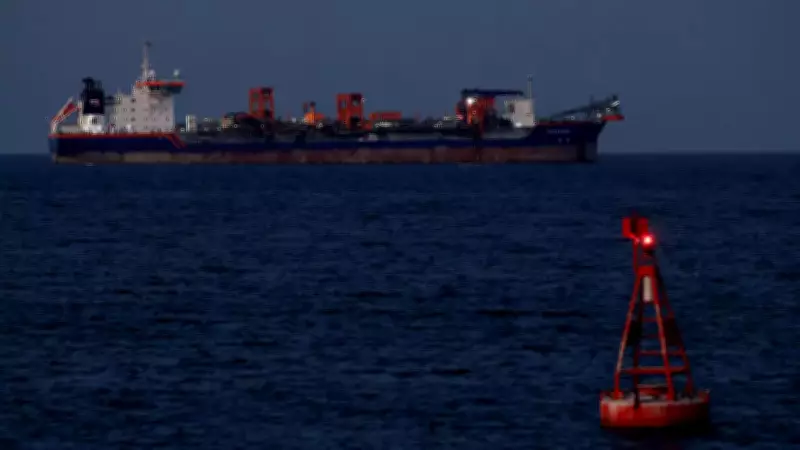
In a significant diplomatic development, Iran has announced that it will allow India to use the Strait of Hormuz, a critical maritime choke point in the Middle East. This decision is expected to provide substantial relief by clearing the way for 20 Indian-flagged cargo vessels currently stranded to the west of the strait to pass through. Additionally, it raises hopes for another 18 empty LPG tankers to transit the conflict-affected 52-kilometer waterway and load cargo from Gulf nations.
Iran's "Friendly Countries" List Includes India
Iranian Foreign Minister Seyed Abbas Araghchi stated, according to Iranian State TV, "We have permitted certain countries that we consider friendly to pass through (Strait of Hormuz). We allowed China, Russia, India, Iraq and Pakistan to transit." He emphasized that ships linked to Iran's adversaries will not be allowed through the strategic waterway, noting, "The region is a war zone, and there is no reason to allow the ships of our enemies ...to pass through."
India's inclusion in this group of "friendly countries" came as a surprise to many observers. Among the five nations mentioned, Russia and China are viewed by Iran as partners in its fight against the US and Israel, while Turkiye and Pakistan are Islamic countries with diplomatic ties. India's presence highlights a notable shift, given its traditional balancing act in Middle East politics.

Impact on Indian Energy Supplies
Officials monitoring the situation revealed that a dozen India-bound ships west of Hormuz, including five loaded with 2.3 lakh tonnes of LPG, are waiting to cross the strait and head to Indian ports. An official closely watching developments commented, "The smooth passage of all Indian-flagged ships will improve availability of LPG, LNG and crude in India." Once these vessels reach Indian ports and discharge their loads, they can be sent to pick up new consignments, enhancing supply chains.
It was noted that few of the 20 Indian-flagged vessels in the region are not bound for India but other ports, indicating broader logistical implications. The 18 LPG tankers awaiting entry are crucial for picking up cooking gas from Gulf nations, which is vital for India's domestic needs.
Diplomatic Success for India
Iran's decision to green-light ships headed for India marks a success for New Delhi's diplomatic efforts. Prime Minister Narendra Modi held two rounds of talks with Iranian President Masoud Pezeshkian, during which Modi asserted that the blockade of the strait by Iran was unacceptable. External Affairs Minister S. Jaishankar also contacted his Iranian counterpart Araghchi with the same request, underscoring India's proactive engagement.
Broader Context and Supply Challenges
In normal times, India receives around 27-30 LPG tankers every month to meet domestic requirements, importing 60% of its cooking gas. Approximately 85-90% of this is sourced from Gulf countries, including Saudi Arabia and the UAE. To address the shortfall caused by the conflict, the Indian government is sourcing cooking gas from alternative suppliers such as the US, Argentina, Norway, Canada, and Russia. Some cargo has already reached Indian ports through other sea routes.
Recent arrivals include the LPG vessels Shivalik and Nanda Devi last week, with Pine Gas and Jag Vasant expected to reach this week. According to data from Kpler, only 138 ships crossed the energy choke point between March 1 and 23, including 87 oil and gas tankers. This translates to 5-6 ships per day, representing a 95% drop in crossings since the war began. Reports suggest that more than 1,900 ships are unable to move in the vicinity of the Strait of Hormuz, highlighting the severe disruption to global trade.
Strategic Implications
The Strait of Hormuz is a vital conduit for global energy supplies, and Iran's selective access policy underscores the geopolitical tensions in the region. India's ability to secure transit rights not only alleviates immediate energy concerns but also strengthens its diplomatic standing. As the conflict continues, monitoring developments in related areas like Bab al-Mandeb, often called the 'Gate of Tears,' will be crucial, as it may emerge as Iran's second choke point after Hormuz.






