

Iran Permits Indian LPG Carriers to Transit Strait of Hormuz Amid Regional Conflict
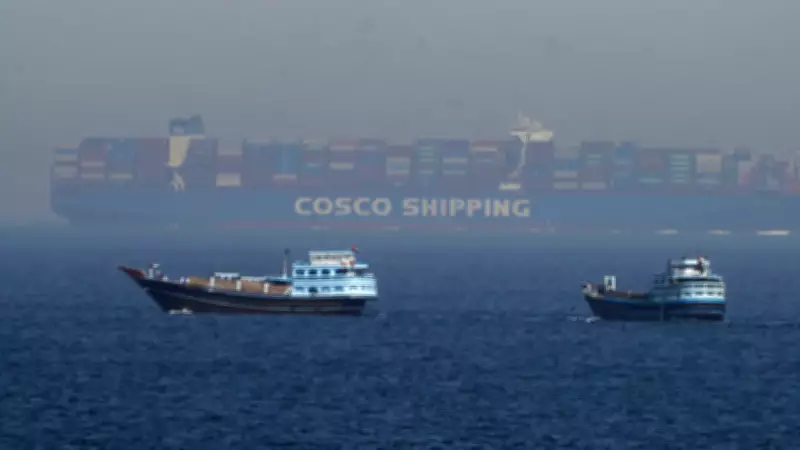
In a significant development for global energy trade, Iran has authorized the passage of two India-flagged liquefied petroleum gas (LPG) carriers through the Strait of Hormuz, according to a Reuters report citing four sources with direct knowledge. This move comes amidst ongoing conflict in West Asia, ensuring the continuity of critical energy supplies to India.
Diplomatic Assurance from Iranian Officials
Iran's Ambassador to India, Mohammad Fathali, confirmed Tehran's commitment to providing safe passage for vessels bound for India through the strategic Strait of Hormuz. Emphasizing the longstanding friendship and shared interests between the two nations, Fathali stated, "Yes. Because India and I are friends. We believe that Iran and India are friends. We have common interests; we have a common fate." He further highlighted the mutual responsibility, adding, "Suffering of the people of India is our suffering and vice versa. And for this reason, the government of India help us, and we should help the government of India because we have a common fate and common interest."
Context of the Regional Conflict
The current round of conflict in West Asia, which began on February 28, involves fighting between Israel and the United States on one side and Iran on the other. The escalation followed the killing of Iran's Supreme Leader, Ayatollah Ali Khamenei, in joint military strikes by the US and Israel. In retaliation, Iran targeted Israeli and US assets in several Gulf countries and Israel, causing disruptions in the waterway and impacting international energy markets and global economic stability.

Iran's Stance on Strait Closure
Abdul Majid Hakeem Ilahi, Representative of Iran's Supreme Leader in India, clarified that Iran has not closed the Strait of Hormuz, but noted that ships are unable to pass through due to the prevailing situation. He said, "Iran has not closed the Strait. It remains open; however, due to current conditions and circumstances, ships are unable to pass through the Hormuz. Otherwise, Iran never wanted the Strait to be closed or blocked. Some (ships) are still passing through." Ilahi urged world leaders to pressure US President Donald Trump to stop the war, citing global suffering from rising oil prices.
Impact on Energy Trade and Additional Shipping Details
The Strait of Hormuz is a critical transit route for global energy supply, and its reported inoperability due to the conflict has raised concerns. Reuters, citing shipping data from Lloyd's List Intelligence, further reported that a crude oil tanker carrying Saudi Arabian oil is expected to arrive in India on Saturday after transiting the Strait of Hormuz around March 1. This indicates ongoing, albeit limited, maritime activity in the region.
Key Points:
- Iran allows two India-flagged LPG carriers through the Strait of Hormuz.
- Iranian officials emphasize diplomatic ties and mutual interests with India.
- Conflict in West Asia involves Iran, Israel, and the US, disrupting energy trade.
- Iran denies closing the strait but acknowledges operational challenges.
- A Saudi oil tanker is also en route to India, transiting the strait earlier this month.
This development underscores the importance of Iran-India relations in maintaining energy security and highlights the broader geopolitical tensions affecting global trade routes.






