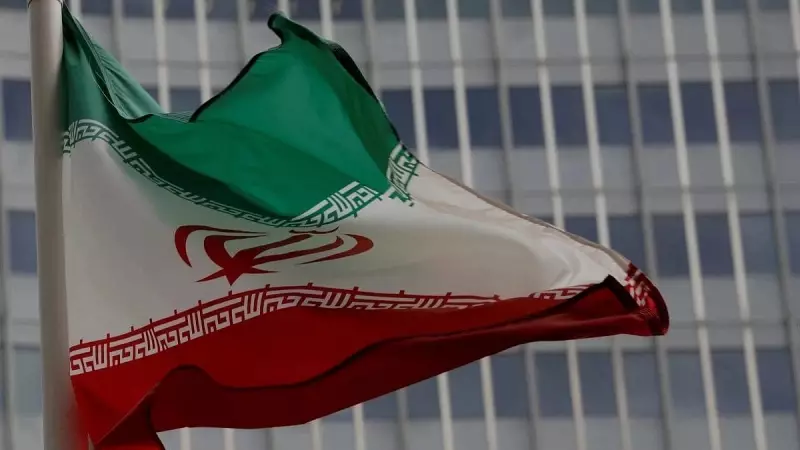
In a sharp escalation of diplomatic tensions, the Islamic Republic of Iran has officially designated the Royal Canadian Navy as a 'terrorist organisation'. This provocative move is a direct retaliation for Canada's earlier decision to blacklist Iran's Islamic Revolutionary Guard Corps (IRGC).
The Trigger: Canada's IRGC Designation
The current crisis stems from Canada's firm stance against the IRGC. Ottawa had formally listed the elite Iranian military force as a terrorist entity. A pivotal factor behind Canada's decision was the tragic downing of Ukraine International Airlines Flight PS752. The civilian airliner was shot down shortly after take-off from Tehran in January 2020, killing all 176 people on board, including many Canadian citizens. The IRGC later admitted to unintentionally firing the missiles.
Iran's Retaliatory Action
Not one to back down, Tehran has responded with a symmetrical accusation. By labelling the entire Royal Canadian Navy as a terrorist organisation, Iran has employed a familiar tactic of diplomatic retaliation. This tit-for-tat designation, announced on 30 December 2025, significantly deepens the rift between the two nations. It transforms a dispute over a specific military branch into a broader condemnation of a key arm of a G7 nation's defence forces.

Implications and Regional Standoff
This exchange of accusations marks a new low in Iran-Canada relations, which have been strained for years. The mutual terrorist designations are largely symbolic but carry weight in international discourse, potentially affecting any remaining diplomatic channels. The situation underscores the ongoing fallout from the Flight PS752 disaster and highlights how such tragedies can fuel long-term geopolitical conflicts. Observers note that this move further isolates Iran from Western nations and complicates any future maritime security interactions.
The international community is watching closely as this war of words unfolds. With both sides digging in their heels, the path to de-escalation appears challenging, leaving bilateral relations frozen in a state of formal hostility.