

Iran Stands Firm Against US Military Presence in Gulf Region
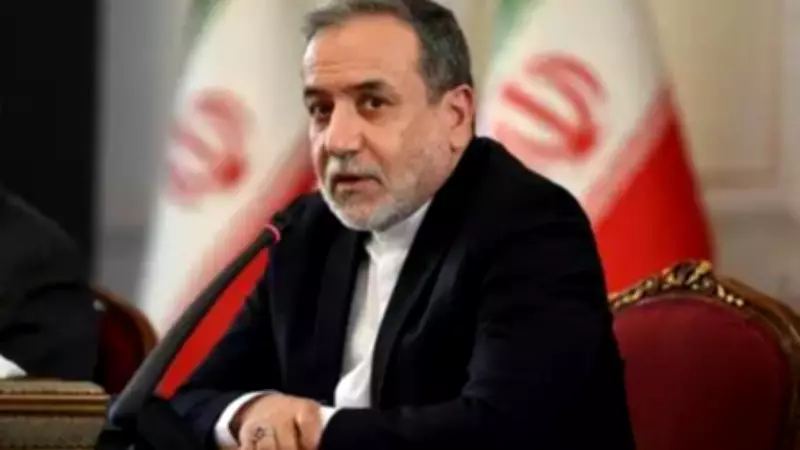
Iran has adopted a defiant posture in response to the United States' growing military presence in the Gulf, asserting that such deployments will not intimidate the nation. Foreign Minister Abbas Araghchi stated unequivocally on Sunday, "Their military deployment in the region does not scare us." This declaration followed a highly publicized visit by US envoy Steve Witkoff to the aircraft carrier Abraham Lincoln, as documented by international news agency AFP.
Nuclear Dialogue Remains Tehran's Preferred Strategy
Meanwhile, President Masoud Pezeshkian addressed the recent US-Iran discussions concerning Tehran's nuclear program, which concluded on Friday with a general understanding to maintain diplomatic momentum. He emphasized that dialogue continues to be Tehran's preferred approach for resolving disputes. In a post on social media platform X, Pezeshkian characterized the recent talks, facilitated by friendly regional governments, as a positive development.
"Our logic on the nuclear issue is the explicit rights in the Non-Proliferation Treaty," Pezeshkian wrote. "The Iranian nation has always responded to respect with respect, but will not tolerate the language of force."

Constructive Atmosphere Marks Initial Discussions
Both Iranian officials and Omani mediators have indicated that additional rounds of negotiations could occur in the coming days. Foreign Minister Araghchi described the eight-hour discussions as a "good start" that took place in a constructive atmosphere. He noted that continuing the process would depend on internal consultations in both Washington and Tehran, while stressing that meaningful dialogue must proceed without threats or intimidation.
Military Tensions Simmer Beneath Diplomatic Surface
Military tensions between the two nations remain palpable just beneath the diplomatic surface. US envoy Steve Witkoff, accompanied by Jared Kushner, visited the USS Abraham Lincoln aircraft carrier in the Arabian Sea, a trip prominently publicized by US Central Command. Witkoff remarked that the carrier strike group was "keeping us safe and upholding President Trump's message of peace through strength."
In response, Iranian Foreign Minister Abbas Araghchi issued a stern warning that any US attack would trigger immediate retaliation against American bases throughout the region. He further reiterated that Iran's missile program was "never negotiable," characterizing it as a matter of national defense and dismissing calls from Washington and Israel to expand the talks beyond nuclear issues.
Regional Dynamics and International Pressure
Meanwhile, Israeli Prime Minister Benjamin Netanyahu is scheduled to meet with President Trump in Washington. Netanyahu's office has stated that any potential agreement with Iran must include limitations on Tehran's ballistic missile program and an end to Iranian support for regional allies. This development adds another layer of complexity to the already delicate diplomatic landscape.
The situation represents a delicate balancing act between diplomatic engagement and military posturing, with both nations testing each other's resolve while keeping communication channels open through intermediaries. The coming weeks will likely determine whether dialogue can prevail over confrontation in this high-stakes international standoff.






