

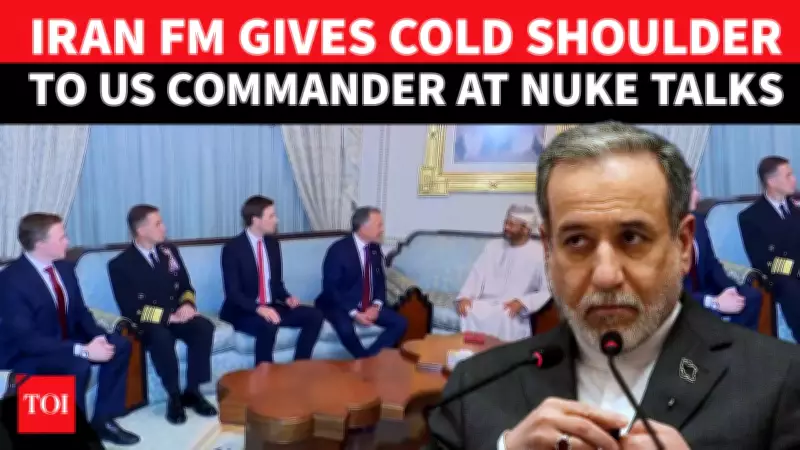
Iran Deliberately Snubs US Military Commander During Tense Nuclear Negotiations
In a striking display of diplomatic friction, Iran's Foreign Minister Abbas Araghchi reportedly orchestrated a pointed rebuke against the United States during recent indirect nuclear talks held in Muscat. According to emerging reports, Iranian officials deliberately blocked the commander of US Central Command (CENTCOM) from entering the negotiation area for approximately twenty minutes, creating an awkward and tense atmosphere at the sensitive diplomatic gathering.
Military Presence Sparks Iranian Protest
The incident occurred against the backdrop of heightened military activity in the region. The US CENTCOM commander had been touring the area aboard the USS Abraham Lincoln aircraft carrier during the same period as the nuclear discussions. Iranian officials interpreted this parallel military movement as a deliberate show of force intended to pressure Tehran at the negotiating table.
"Tehran firmly and categorically opposed the presence of any senior US military commander in any capacity connected to these negotiations," Araghchi stated emphatically during closed-door sessions. This protest was reportedly far from symbolic, with Iranian representatives taking concrete action to express their displeasure with what they perceived as military pressure infiltrating diplomatic channels.

A Calculated Diplomatic Snub
When the CENTCOM commander was eventually permitted to enter the negotiation area after the twenty-minute delay, Iranian officials reportedly refused to engage in the customary diplomatic handshake. This deliberate snub served as a visual representation of Tehran's firm stance against what it views as inappropriate military involvement in nuclear diplomacy.
The carefully orchestrated delay and subsequent refusal of basic diplomatic courtesies underscore how seriously Tehran takes the separation between military and diplomatic channels. Iranian representatives made it abundantly clear that they would not tolerate what they perceive as coercive tactics during sensitive negotiations about their nuclear program.
Broader Context of Distrust
Araghchi acknowledged that initial discussions had shown some signs of seriousness from both sides, but he expressed deep reservations about Washington's true intentions. "Continued sanctions enforcement alongside parallel US military movements raise legitimate doubts about whether the United States is genuinely committed to diplomatic resolution," the Iranian foreign minister asserted during the talks.
Iran maintains several non-negotiable positions that further complicate the diplomatic landscape:
- All negotiations must remain strictly indirect and limited exclusively to nuclear matters
- Iran's missile program is completely off the table for discussion
- Any US military attack would be met with immediate retaliatory strikes against American bases throughout the region
Future of Fragile Diplomacy in Question
As Tehran conducts a thorough review of whether to continue participating in these talks, the Muscat incident highlights how seemingly minor diplomatic gestures, precise timing, and military optics now significantly influence the fate of already fragile negotiations. The twenty-minute delay and handshake refusal represent more than mere protocol breaches—they symbolize fundamental disagreements about the appropriate boundaries between military posturing and diplomatic engagement.
This episode demonstrates that even as both nations engage in dialogue about Iran's nuclear program, underlying tensions regarding military presence, sanctions enforcement, and negotiation parameters continue to create substantial obstacles. The diplomatic chill in Muscat serves as a reminder that successful nuclear negotiations will require navigating not just technical details but also deeply entrenched political and military sensitivities between the two nations.






