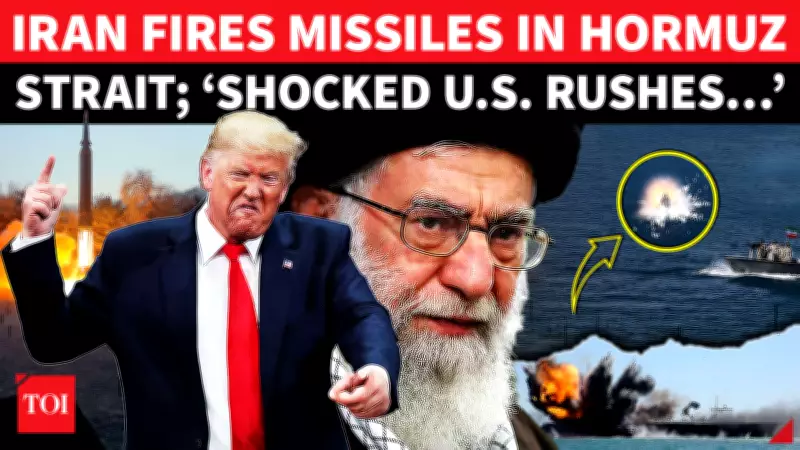
Iran Launches Missile Drills During US Nuclear Talks in Geneva
As nuclear negotiations between the United States and Iran resumed in Geneva on February 17, 2026, Tehran sent a powerful signal of military strength by conducting reported live missile launches toward the Strait of Hormuz. This narrow maritime corridor is a critical global chokepoint, responsible for transporting approximately 20% of the world's oil supplies.
Diplomacy and Military Posturing Collide
While diplomats from both nations engaged in careful dialogue in Geneva, Iran simultaneously staged large-scale military drills in the Persian Gulf. The timing of these exercises underscores Tehran's strategy of combining diplomatic efforts with demonstrations of military capability.
Foreign Minister Abbas Araghchi emphasized that Iran is seeking a fair and equitable nuclear deal but issued a stern warning that the nation will not yield to external pressure. "We are committed to constructive talks, but we will not bow to coercion," Araghchi stated, highlighting the delicate balance between negotiation and national sovereignty.

Strategic Implications of the Strait of Hormuz
The Strait of Hormuz is a vital artery for global energy markets, and any disruption could have severe economic repercussions worldwide. Iran's missile drills in this region serve as a reminder of its ability to influence international oil flows and geopolitical stability.
Key aspects of the situation include:
- Resumption of high-stakes nuclear talks after previous pauses.
- Iran's use of military exercises to bolster its negotiating position.
- The strategic importance of the Strait of Hormuz to global energy security.
- Ongoing tensions between diplomatic engagement and military posturing.
This development occurs amid a backdrop of broader international conflicts, as seen in related news items such as the Ukraine-Russia war and U.S. domestic political disputes, though the focus here remains on the direct US-Iran dynamics.
Broader Context and Future Outlook
The missile launches and drills are part of Iran's broader efforts to assert its regional influence and military readiness. Analysts suggest that such actions are designed to strengthen Tehran's hand at the negotiating table, ensuring that any nuclear agreement addresses its security concerns.
As talks continue, the international community watches closely, aware that the outcome could significantly impact Middle East stability and global non-proliferation efforts. The juxtaposition of missile fire and diplomatic words in Geneva highlights the complex interplay between force and dialogue in international relations.