

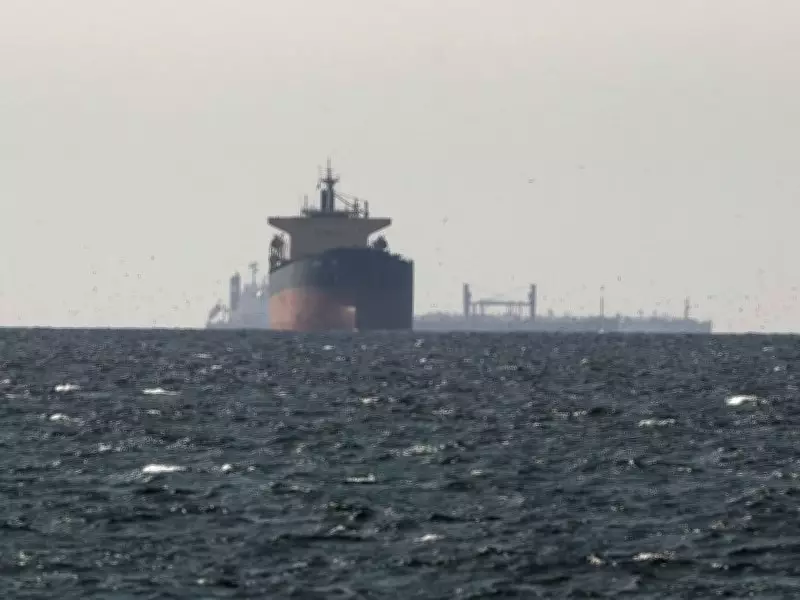
Iran Grants Access to Strait of Hormuz for India and Allied Nations
In a significant diplomatic move, Iranian Foreign Minister Abbas Araghchi declared on Thursday that Iran has permitted the passage of vessels for friendly countries, including India, through the strategically vital Strait of Hormuz. This announcement was made public via a post from the Consulate General of Iran in Mumbai, highlighting the inclusion of China, Russia, Iraq, and Pakistan among the nations granted access.
UN Secretary-General Urges Immediate Action to End Conflict
The decision follows urgent appeals from United Nations Secretary-General Antonio Guterres, who emphasized the critical need to open the Strait of Hormuz to mitigate global economic impacts. In a series of posts on social media platform X, Guterres warned that the prolonged closure is severely disrupting the movement of oil, gas, and fertilizers, particularly during the crucial global planting season. He stressed that civilians across the region are enduring significant harm and insecurity due to the ongoing conflict.
Guterres called for an immediate end to the war in West Asia, directing messages to the United States and Israel to halt hostilities as human suffering deepens and civilian casualties mount. He also urged Iran to cease attacks on neighboring countries not involved in the conflict, underscoring the devastating global economic repercussions.

Iranian Mission Clarifies Conditions for Safe Passage
Earlier, on March 25, the Iranian mission to the United Nations in New York outlined specific conditions for vessel transit through the Strait of Hormuz. In an official statement posted on X, the mission stated that "non-hostile vessels" may benefit from safe passage, provided they do not participate in or support acts of aggression against Iran and fully comply with declared safety and security regulations. The transit is strictly dependent on prior coordination with competent Iranian authorities, as confirmed by the Iranian Defence Council.
This development marks a pivotal step in easing tensions in the Middle East, potentially facilitating smoother international trade routes for key economies like India. The move aligns with broader diplomatic efforts to address the humanitarian and economic crises stemming from regional conflicts, as highlighted by global leaders.






