

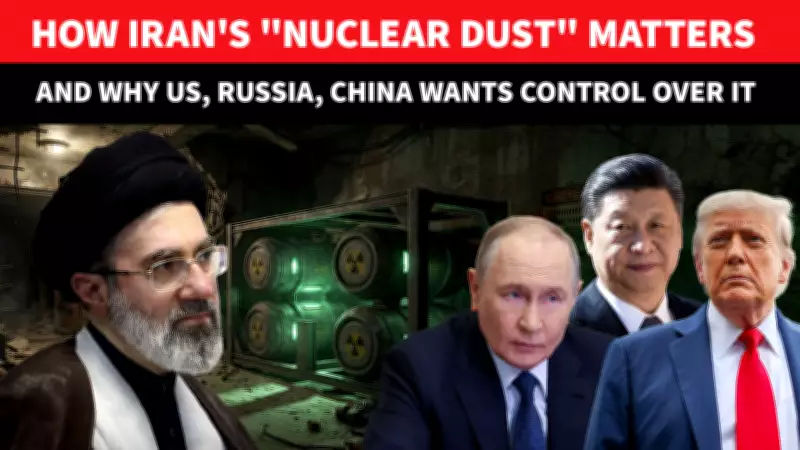
Iran's Uranium Standoff Intensifies as Global Powers Seek Control
Iran has firmly refused to hand over its enriched uranium stockpile to foreign control, escalating tensions in renewed global nuclear diplomacy. The United States is demanding tighter oversight, Russia has offered storage assistance, and China is emerging as a potential neutral stakeholder in the high-stakes confrontation.
Sovereignty and Security at the Heart of the Dispute
Tehran's rejection of any uranium transfer abroad is rooted in what it calls matters of national sovereignty and pride. Iranian officials maintain that their nuclear program is for peaceful civilian purposes, but international experts express grave concerns about the material's purity levels.
According to nuclear analysts, Iran's uranium has been enriched to approximately 60 percent purity – a level far closer to weapons-grade material than standard reactor fuel. This technical detail transforms what might otherwise be a diplomatic negotiation into a pressing international security crisis.

Global Responses and Diplomatic Maneuvering
The United States, under current administration pressure, insists on removing or securing Iran's uranium reserves to prevent potential weapons development. Meanwhile, Russia has positioned itself as a possible solution by offering to store the stockpile under a future agreement framework.
China's strategic relationship with Iran adds another layer to the diplomatic chessboard. Beijing's potential role as a neutral stakeholder could provide alternative pathways for resolution, though Western powers remain skeptical of Chinese mediation given its economic ties to Tehran.
Trump's "Nuclear Dust" Warning and Technical Concerns
Former U.S. President Donald Trump recently referred to Iran's uranium as "nuclear dust" – a term suggesting that recoverable material may still exist within damaged underground facilities and storage sites. This characterization highlights ongoing concerns about the complete accounting and security of Iran's nuclear materials.
The technical reality is that uranium enriched to 60 percent purity represents a significant proliferation risk. While not quite at the 90 percent level typically considered weapons-grade, it substantially reduces the time and effort required to reach that threshold.
The Future of Nuclear Negotiations Hangs in Balance
Diplomatic observers note that the fate of Iran's uranium reserve may determine whether fresh nuclear negotiations succeed or collapse entirely. The current standoff represents more than just technical disagreement – it embodies fundamental conflicts over national rights versus international security obligations.
Russia's willingness to hold the stockpile and China's strategic positioning have created new diplomatic dimensions that complicate traditional East-West negotiations. What began as a bilateral U.S.-Iran issue has evolved into a multilateral confrontation involving major global powers.
As tensions escalate, the international community watches closely whether diplomatic channels can produce a solution that addresses both Iran's sovereignty concerns and global non-proliferation imperatives. The uranium stockpile has become the symbolic and practical centerpiece of this renewed nuclear diplomacy challenge.






