

Pakistan's Peace Push Falters as Iran Rejects US Talks in Islamabad
Efforts spearheaded by Pakistan to broker peace between Iran and the United States have encountered a significant roadblock. According to a report by The Wall Street Journal, Tehran has formally communicated to mediators that it will not participate in proposed talks with American officials scheduled to take place in Islamabad. This refusal represents a major diplomatic setback for Islamabad, which had positioned itself as a neutral facilitator capable of bringing both sides to the negotiating table.
Rejection of US Conditions and Escalating Rhetoric
Iranian officials have outright rejected Washington's conditions for the talks, labeling them as unacceptable. This stance has been further hardened by recent escalatory rhetoric from former US President Donald Trump, who warned that Iran could be bombed "back to the Stone Ages" if it fails to agree to US terms. Such statements have made direct engagement between Tehran and Washington politically and strategically challenging, widening the gap in expectations and complicating mediation efforts.
Pakistan's Acknowledgment and Continued Efforts
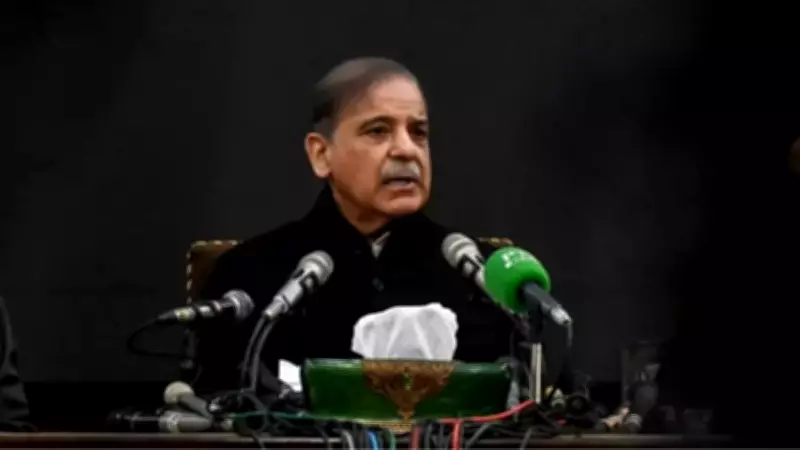
Pakistani officials have acknowledged the impasse. Foreign Office spokesperson Tahir Andrabi admitted that "obstacles" are hindering progress, though he did not provide specific details. Despite this setback, Islamabad insists it will persist in efforts to create conditions conducive to "meaningful negotiations." The country maintains regular contact with Tehran, including a recent phone call between Iranian President Masoud Pezeshkian and Prime Minister Shehbaz Sharif, during which both sides emphasized the importance of trust-building measures.

Broader Conflict Context and Regional Implications
The broader context of the conflict has rendered mediation increasingly complex. The war, triggered by US-Israeli strikes that reportedly killed Iran's supreme leader Ali Khamenei, has spiraled into a multi-country crisis. Iranian missile and drone attacks have targeted several Gulf states, raising fears of a wider regional war. While countries like Saudi Arabia have shown restraint so far, analysts warn that any retaliation could ignite a broader conflict involving multiple powers.
Economic Pressures and Strategic Stakes
Economic pressures are compounding tensions. Iran's restrictions on the Strait of Hormuz have disrupted global energy supplies, driving up oil prices and straining economies worldwide. Although Iran recently allowed limited passage for Pakistani vessels as a goodwill gesture, this has not translated into diplomatic progress. For Pakistan, the stakes are particularly high. Bound by a defense agreement with Saudi Arabia and already managing tensions with neighboring India and instability along the Afghan border, Islamabad has little appetite for further escalation. Its mediation push was as much about preventing regional spillover as it was about securing peace.






