Iran Reopens Strait of Hormuz, Easing Global Oil Tensions Amid US Dispute
In a dramatic turn of events, Iran announced on Friday the reopening of the Strait of Hormuz, one of the world's most vital oil chokepoints. This decision comes after days of heightened tensions that disrupted global energy flows and sparked international concern. Iranian Foreign Minister Abbas Araghchi stated that commercial shipping can now resume passage through the strait, operating under coordinated routes established by Iran.
Ceasefire Links and Strategic Implications
The reopening is directly linked to an ongoing ceasefire in the region, which Iran has framed as a diplomatic victory. The Strait of Hormuz serves as a crucial maritime passage for approximately one-fifth of the world's oil supply, making this development significant for global markets. The announcement aims to stabilize energy prices and reduce geopolitical friction that had escalated in recent weeks.
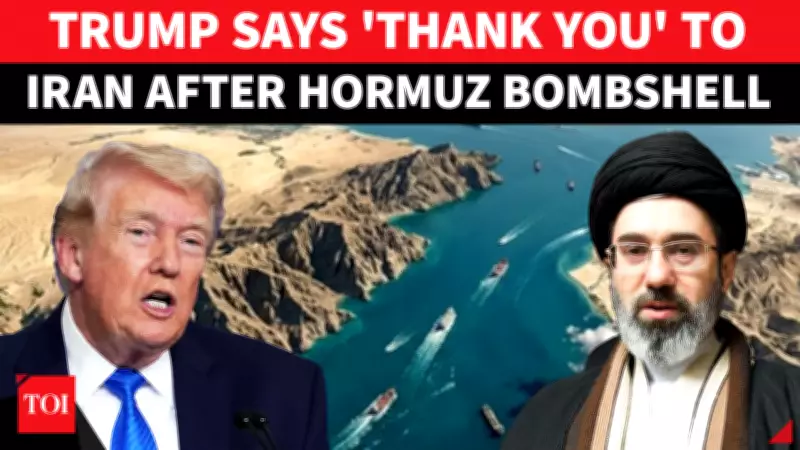
However, the United States has contested Iran's control over the strategic waterway. Former President Donald Trump reacted swiftly to Tehran's announcement, posting on Truth Social to assert US authority and challenge Iran's claims. This response highlights the persistent tensions between the two nations, even as Iran moves to normalize shipping operations.

Global Reactions and Naval Vulnerabilities
The situation has exposed underlying vulnerabilities in US naval capabilities, with reports indicating shortages that forced food rationing on USS warships. These issues have raised questions about the US military's readiness to maintain dominance in key maritime regions like the Persian Gulf.
Meanwhile, Iran has leveraged the ceasefire to bolster its regional influence, taking credit for brokering truces involving Israel and Hezbollah. This move positions Iran as a key player in Middle Eastern diplomacy, potentially altering power dynamics in the area.
Broader Regional and International Context
The reopening occurs against a backdrop of escalating conflicts elsewhere, including Russia's military actions in Ukraine and tensions with NATO members. Iranian officials have mocked US rescue missions and criticized American foreign policy, suggesting that US interventions often bring trouble rather than security to the region.
In a related development, Trump made a nuclear bombshell claim, alleging that Iran has dropped its nuclear weapons plans for two decades and hinting at a potential visit to Islamabad. These statements add another layer of complexity to the already volatile situation.
The Strait of Hormuz reopening marks a pivotal moment in international relations, with implications for global energy security, naval strategy, and diplomatic maneuvering in the Middle East. As commercial vessels begin to traverse the strait under Iran's new guidelines, the world watches closely to see if this leads to lasting stability or further confrontation.