Iran Delivers Stunning Diplomatic Snub to Trump Administration
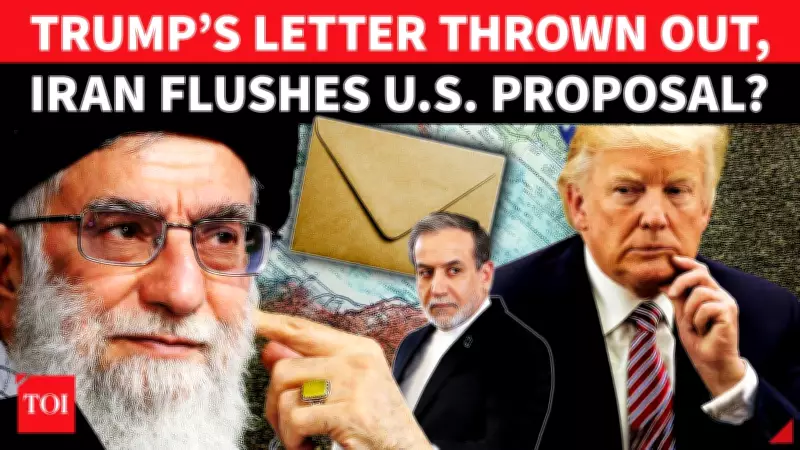
In a bold move that underscores the deepening rift between Tehran and Washington, Iranian Foreign Minister Abbas Araghchi has reportedly refused to even open an envelope containing missile-related proposals from the United States. The envelope, delivered through Omani mediators as part of ongoing indirect talks, was returned unopened, signaling a clear and public rebuff to President Donald Trump's administration.
Core Issues Remain Unresolved Despite Geneva Talks
This dramatic incident highlights the persistent and significant disagreements that continue to plague relations between Iran and the US. Despite multiple rounds of negotiations held in Geneva, core issues such as uranium enrichment levels, Iran's ballistic missile programs, and the scope of sanctions relief remain major sticking points. Both nations have acknowledged that some guiding principles were tentatively agreed upon, but the substantial gaps in positions raise serious questions about the viability of these fragile diplomatic efforts.
The return of the unopened envelope is not merely a symbolic gesture; it represents a tangible escalation in diplomatic tensions. It suggests that Iran is unwilling to engage with proposals it perceives as unfavorable or insufficient, potentially hardening its stance in future discussions. This action comes amid a backdrop of heightened rhetoric and strategic posturing from both sides, with each accusing the other of bad faith and inflexibility.

Implications for Regional and Global Stability
The stalemate has far-reaching implications:
- Regional Security: The unresolved missile issue directly impacts security dynamics in the Middle East, affecting neighboring countries and existing alliances.
- Nuclear Non-Proliferation: Continued disagreement over uranium enrichment threatens international efforts to prevent nuclear weapon proliferation.
- Economic Pressures: Sanctions relief remains a critical demand for Iran, whose economy has suffered under US-led restrictions.
Observers note that this snub could further complicate already tense relations, potentially derailing the negotiation process entirely. The Trump administration has consistently taken a hardline approach, demanding extensive concessions from Iran, while Iranian leaders have emphasized their right to develop defensive capabilities and resist what they term "American bullying."
As both sides dig in their heels, the prospect of a breakthrough appears increasingly distant. The unopened envelope serves as a stark reminder of the deep-seated mistrust and conflicting interests that define this geopolitical standoff, with no easy resolution in sight.