

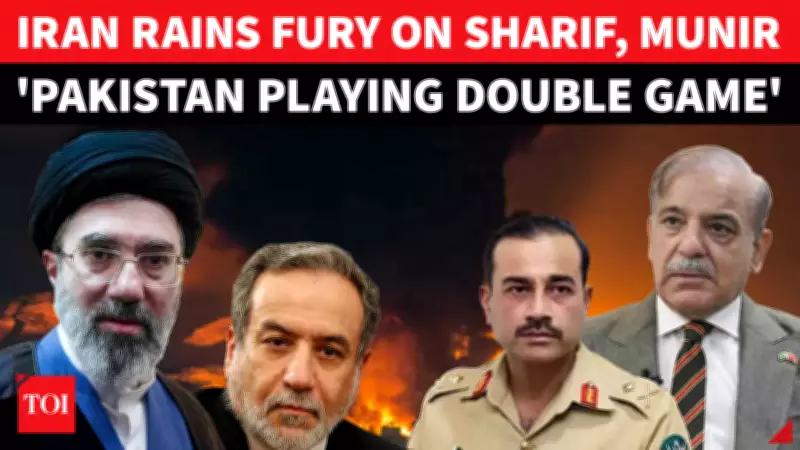
Iran Condemns Pakistan's 'Double Game' in US-Iran Crisis
In a dramatic escalation of diplomatic tensions, Iran has launched a direct and unusually sharp attack on Pakistan, accusing it of playing a "double game" at a critical moment in US-Iran relations. Tehran has openly questioned the role of Pakistan's Army Chief Asim Munir, alleging a clear pro-US tilt while claiming that its peace proposal routed through Islamabad received no response from Washington.
Trump's Public Praise Contradicts Iranian Allegations
This comes even as US President Donald Trump publicly credited Pakistan's leadership, including Prime Minister Shehbaz Sharif and General Munir, for pushing a ceasefire extension. The contradiction is stark and creates a complex diplomatic landscape. While Washington praises Islamabad for its mediation efforts, Tehran is openly calling out perceived bias and broken trust in the same process.
Iran claims its comprehensive 10-point peace framework has been completely ignored, replaced instead by new US-backed demands that Tehran views as unfavorable. This diplomatic impasse has created significant friction between the two neighboring nations, with Iran expressing frustration at what it perceives as Pakistan's failure to adequately represent its interests in discussions with the United States.

Pakistan's Difficult Diplomatic Position
With no clarity on talks scheduled in Islamabad and tensions rising at the strategically vital Strait of Hormuz, Pakistan now finds itself in an exceptionally difficult position. The nation must balance multiple competing interests:
- Maintaining diplomatic relations with neighboring Iran
- Managing pressure from the United States
- Preserving its international reputation as a neutral mediator
- Addressing domestic political considerations
The situation represents a rapidly escalating geopolitical crisis that tests Pakistan's diplomatic capabilities and regional influence. As both Iran and the United States present conflicting narratives about Pakistan's role, Islamabad faces the challenge of navigating these tensions without alienating either powerful nation.
The timing of these developments is particularly sensitive, coming amid heightened military posturing in the Persian Gulf region and increasing concerns about potential conflict escalation. Pakistan's traditional role as a mediator in regional disputes now faces its most significant test in recent years, with the outcome potentially affecting broader Middle Eastern stability.






