

Iran's Strategic Pivot in the Strait of Hormuz
In a significant geopolitical development, Iran has dramatically altered its approach to controlling the Strait of Hormuz, moving from outright denial of access to implementing a sophisticated "permission-led access" model. This strategic shift positions Tehran as the ultimate regulator of the world's most critical oil shipping chokepoint, fundamentally changing the dynamics of Gulf navigation.
From Blockade to Gatekeeping
Recent reports indicate that instead of maintaining a complete shutdown of the strategic waterway, Iran has allowed traffic to resume through the Strait of Hormuz—but strictly on Tehran's terms. This calculated move represents a fundamental transformation in Iran's maritime strategy, transitioning from simple obstruction to complex regulation of international shipping lanes.
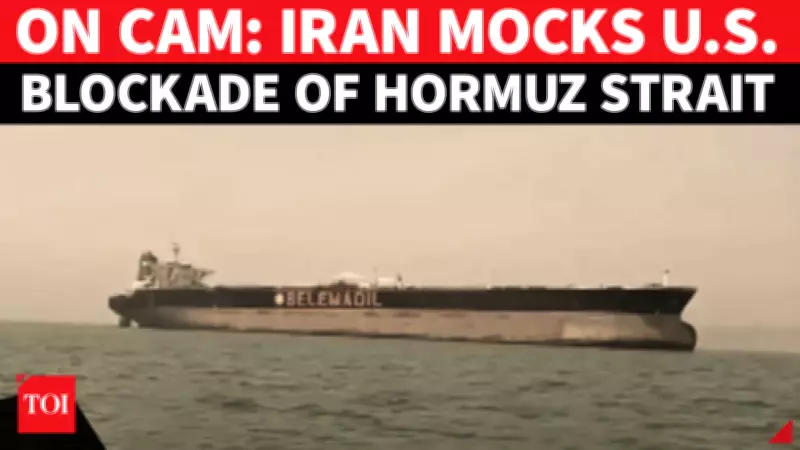
The Islamic Revolutionary Guard Corps (IRGC) has been actively implementing this new framework, with recent footage showing their vessels in action while conspicuously lacking any visible presence of American warships. This visual absence underscores the changing power dynamics in the region and Iran's growing confidence in asserting its maritime authority.

The Permission-Led Access Model
Iran's new "permission-led access" model creates a challenging dilemma for international shipping companies, who now face competing demands from Washington and Tehran. While the United States continues to enforce its blockade policies, Iran has established itself as the gatekeeper requiring compliance with its specific regulations for passage through the vital chokepoint.
This development effectively forces commercial vessels to navigate between conflicting international directives, creating unprecedented operational complexities for global shipping interests. The model represents Iran's attempt to institutionalize its influence over approximately 20% of the world's oil shipments that pass through the narrow strait.
Geopolitical Implications and Regional Tensions
The strategic shift comes amid ongoing tensions between Iran and the United States, with the absence of American naval presence in recent Hormuz footage highlighting potential changes in regional military postures. Iran's move from denial to regulation demonstrates a more sophisticated approach to leveraging its geographic advantage along this crucial maritime corridor.
This development has significant implications for global energy security, regional stability, and international shipping protocols. By positioning itself as the regulatory authority rather than simply an obstructive force, Iran seeks to establish long-term influence over one of the world's most economically vital waterways while challenging traditional power structures in the Persian Gulf region.
The implementation of this new access model represents a calculated escalation in Iran's maritime strategy, potentially setting precedents for how nations control strategic chokepoints and regulate international shipping through contested waters in an increasingly multipolar world order.






