

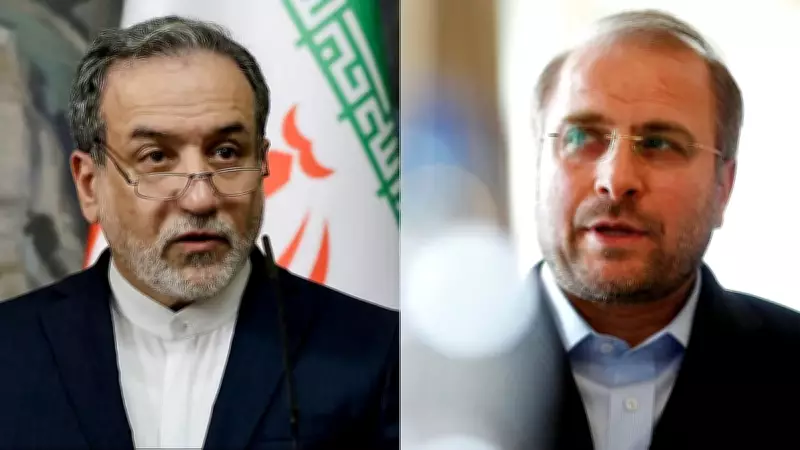
Pakistan's Diplomatic Intervention Leads to Temporary Removal of Iranian Officials from Israeli Target List
A significant diplomatic development has emerged from the volatile West Asia region, where Pakistan reportedly played a crucial role in persuading Israel to temporarily remove two high-ranking Iranian officials from its target list. According to a Pakistani source, this intervention underscores Islamabad's active efforts to mediate and de-escalate tensions in the area.
Details of the Temporary Removal
The officials in question, identified as Araqchi and Qalibaf, have been taken off Israel's hit list for a period of up to four or five days. This information was initially reported by The Journal, which cited U.S. officials as its source. However, the original report did not mention any involvement by Pakistan, leaving a gap in the narrative that has now been filled by the Pakistani disclosure.
The temporary nature of this removal suggests it may be part of a broader diplomatic maneuver aimed at creating a window for dialogue or reducing immediate threats. While the exact reasons behind Pakistan's request remain unspecified, it aligns with the country's historical stance of advocating for peaceful resolutions in regional conflicts.

Implications for Regional Dynamics
This development highlights several key aspects of the ongoing geopolitical landscape in West Asia:
- Pakistan's Mediating Role: Islamabad's ability to influence Israeli actions, even temporarily, points to its diplomatic leverage and commitment to stability in the region.
- U.S. Involvement: The fact that U.S. officials were cited in the initial report indicates that Washington is closely monitoring the situation, possibly coordinating behind the scenes.
- Iran-Israel Tensions: The removal of officials from a hit list, albeit brief, reflects the high-stakes nature of the conflict between Iran and Israel, where targeted actions are a common strategy.
Experts suggest that such diplomatic interventions, while small in scale, can have ripple effects on broader peace efforts. The temporary pause in targeting could provide an opportunity for backchannel communications or humanitarian considerations, though the long-term impact remains uncertain.
Context and Background
The West Asia region has been embroiled in prolonged conflicts involving multiple state and non-state actors. Israel and Iran have been engaged in a shadow war for years, with incidents ranging from cyberattacks to assassinations. Pakistan, while maintaining relations with both sides, has often positioned itself as a neutral party seeking to bridge divides.
This report, dated March 26, 2026, and sourced from Reuters, adds a new layer to understanding how third-party nations like Pakistan are navigating these complex dynamics. The omission of Pakistan's role in the original Journal article raises questions about transparency in international reporting, but the Pakistani source's claim brings attention to often-overlooked diplomatic efforts.
As the situation evolves, observers will be watching to see if this temporary measure leads to more sustained de-escalation or if it merely represents a brief respite in an ongoing conflict. The role of diplomatic channels, particularly from countries like Pakistan, will be critical in shaping future outcomes in West Asia.






