

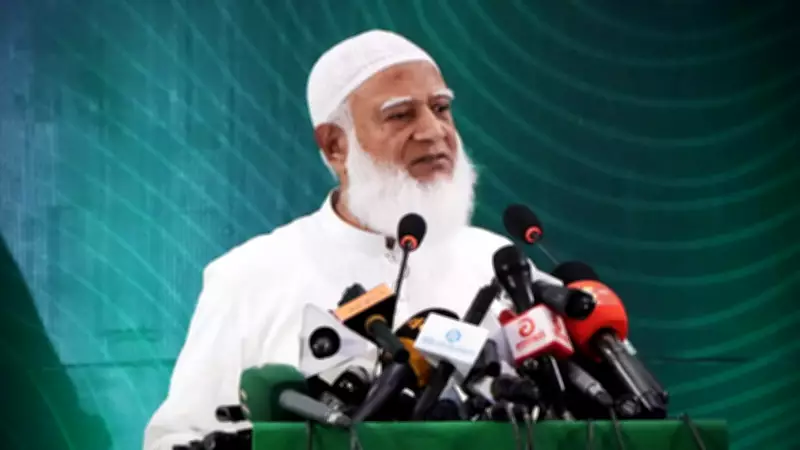
Jamaat Chief's 'First-Class Citizen' Pledge Before Bangladesh Elections
As Bangladesh approaches a critical electoral juncture, Jamaat-e-Islami chief Shafiqur Rahman has made a significant public statement aimed at fostering national unity and addressing growing communal tensions. In remarks delivered ahead of the high-stakes vote, Rahman asserted that he does not view any group as a minority, emphasizing that every citizen of Bangladesh should be considered "first-class." This declaration comes against a backdrop of recent violent incidents targeting members of the Hindu community, which have sparked domestic alarm and drawn international scrutiny.
Addressing Communal Concerns and Minority Protection
The Jamaat leader's comments directly respond to a series of attacks on Hindu individuals in recent weeks, events that have heightened fears about minority safety and social cohesion. Rahman stressed that religion should not be a determinant of citizenship rights, positioning his statement as a call for equal treatment under the law. This emphasis on inclusivity is particularly notable given Bangladesh's current political climate, which is marked by communal strain and security challenges. Analysts suggest that such rhetoric may be intended to reassure both domestic constituencies and international observers about the protection of minority groups during the electoral process.
Strategic Priority on India and Regional Diplomacy
In his address, Rahman also highlighted the importance of Bangladesh's relationship with India, stating that due to geographic proximity and strategic considerations, India will remain a priority for the nation. This acknowledgment of India's significance underscores the broader regional diplomacy dynamics at play as Bangladesh navigates its electoral politics. The statement reflects an understanding of the economic, security, and cultural ties that bind the two neighboring countries, even as domestic political narratives evolve.

Political Ambitions and Electoral Integrity
When questioned about his personal political aspirations, including the possibility of becoming prime minister, Rahman adopted a cautious tone. He described speculation on such outcomes as immature, emphasizing that the primary focus should be on ensuring free and fair elections. This response aligns with concerns about political uncertainty and the need for transparent electoral mechanisms in Bangladesh. With voting day drawing near, the country finds itself at a sensitive crossroads, balancing the demands of democratic competition with the imperative of maintaining social stability.
Broader Implications for Governance and Stability
The remarks from the Jamaat chief arrive amid a complex landscape of governance challenges, minority protection issues, and regional diplomatic considerations. As Bangladesh prepares for the polls, stakeholders are closely monitoring how political leaders address these multifaceted concerns. The emphasis on "first-class" citizenship and India's priority status may shape public discourse and influence voter perceptions in the coming weeks. Ultimately, the election outcome will have significant implications for Bangladesh's internal cohesion and its external relationships, particularly with key partners like India.






