

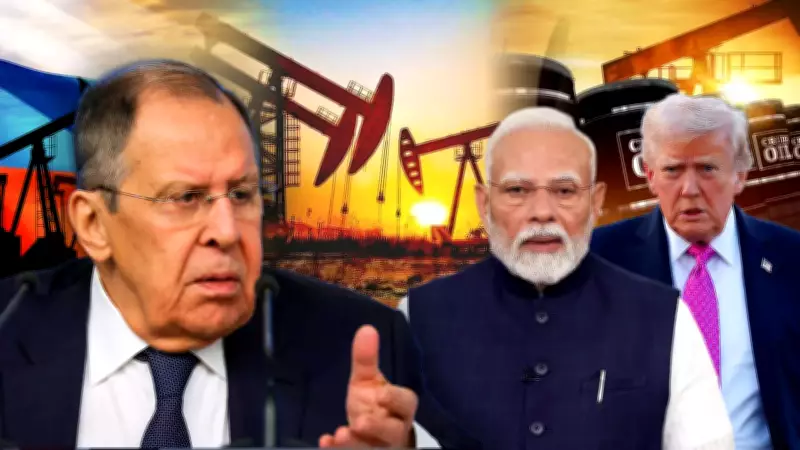
Russian Foreign Minister Accuses US of Attempting to Ban India from Russian Oil Purchases
In a sharp escalation of the global energy conflict, Russian Foreign Minister Sergei Lavrov has publicly accused the United States of actively trying to prohibit India and other international partners from purchasing Russian oil. Lavrov's statements, made in February 2026, allege that Washington is employing a combination of sanctions, tariffs, and restrictions on tanker movements to coerce nations into abandoning cheaper Russian energy supplies in favor of more expensive American alternatives.
India's Firm Stance on Energy Autonomy
Despite these mounting pressures, the Indian government has categorically refused to alter its energy procurement strategy. Officials in New Delhi have consistently reiterated that India's decisions regarding energy sourcing are dictated solely by three core principles: availability, affordability, and national interest. This position underscores India's commitment to strategic autonomy, emphasizing that external political pressure will not sway its economic and energy security calculations.
The geopolitical context for this dispute has intensified following recent policy moves by the Trump administration. An executive order signed by former President Donald Trump eased certain tariffs on Indian goods, yet it notably maintained strict scrutiny and potential penalties on transactions involving Russian crude oil. This move is seen by analysts as an attempt to create a diplomatic and economic wedge, offering India trade concessions while demanding alignment on energy policy.

Broader Implications for Global Energy Markets
The public accusations from Moscow and the unwavering stance from Delhi signal a deepening rift in international energy diplomacy. As Washington tightens its network of oil-related sanctions and Moscow cries foul over what it terms economic coercion, the competition over critical energy routes and global supply chains is becoming increasingly politicized.
India's posture in this high-stakes standoff is being closely watched worldwide. By prioritizing the energy security needs of its 1.4 billion citizens and its growing economy, India is demonstrating a clear policy of non-alignment in the face of great power rivalry. This episode highlights the complex interplay between energy economics, national sovereignty, and the fierce geopolitical competition defining the current international order.






