Maharashtra Tourists Safely Return from UAE Amid Escalating Regional Conflict
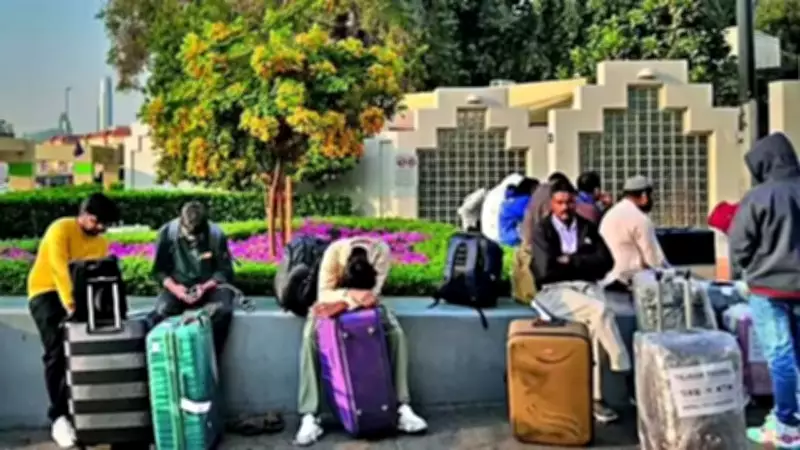
In a significant rescue operation, a total of 164 tourists from Maharashtra, who found themselves stranded in the United Arab Emirates amidst the intensifying US-Israel-Iran conflict, have successfully returned to their homeland. The evacuation was facilitated through two specially arranged flights coordinated by Deputy Chief Minister Eknath Shinde, as confirmed by a Shiv Sena functionary on Wednesday.
Details of the Rescue Operation and Flight Arrangements
The two aircraft, carrying 76 and 88 passengers respectively, touched down at Mumbai's airport on Tuesday night, marking the end of a stressful ordeal for the travelers. Among those who made it back safely were 84 students from the Pune-based Indira School of Business Studies, alongside residents from Thane, Ahilyanagar, and Pune. The special flights were personally arranged by Shinde, who also heads the Shiv Sena political party, highlighting the state government's proactive response to the crisis.
According to an official statement released by Shinde's office on Tuesday, the two flights transporting the stranded Maharashtra residents departed from Fujairah Airport in the UAE at 3:30 PM and 4:30 PM local time, bound for Mumbai. This timely intervention ensured that citizens caught in the crossfire of international tensions could return to the safety of their homes and families.

Political Leadership and Acknowledgments
In a post on the social media platform X, Shinde expressed his satisfaction at being able to provide relief to residents who were under tremendous pressure due to the conflict. "The Shiv Sena was successful in bringing back many residents from Maharashtra who were stranded in Dubai," he stated, while also extending credit to Prime Minister Narendra Modi and Home Minister Amit Shah for their leadership and support during the operation.
This rescue effort underscores the critical role of state and central government collaboration in addressing emergencies affecting Indian citizens abroad. The swift action taken by Shinde and his team not only alleviated the immediate distress of the stranded tourists but also demonstrated a commitment to citizen welfare in times of global uncertainty.
The return of these 164 individuals, including a large contingent of students, brings a sense of closure to a challenging episode, while the broader US-Israel-Iran conflict continues to unfold with significant geopolitical implications. The successful evacuation serves as a reminder of the importance of robust diplomatic and logistical frameworks to protect nationals overseas during international crises.