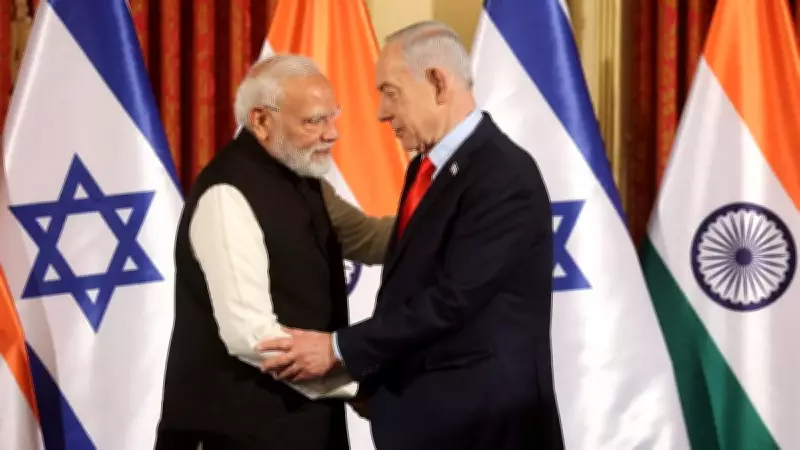
Modi's Diplomatic Embrace of Israel: A Costly Move for India?
Prime Minister Narendra Modi's recent visit to Israel has sparked intense debate, with critics arguing that India's 'strategic autonomy' is increasingly resembling opportunism. This diplomatic embrace, while strengthening ties with Israel, may come at a significant cost to India's broader foreign policy interests.
Balancing Act: Israel, Iran, and the United States
Modi's engagement with Israeli Prime Minister Benjamin Netanyahu highlights India's delicate balancing act in the Middle East. On one hand, India seeks to deepen its strategic partnership with Israel, particularly in areas like defense and technology. On the other hand, it must navigate its longstanding relations with Iran and its complex ties with the United States. This juggling act risks alienating key allies and undermining India's credibility as a neutral player in global affairs.
The erosion of trust in the Global South is a particularly concerning outcome. Many developing nations view India's closer alignment with Israel as a departure from its traditional support for Palestinian rights and non-aligned principles. This shift could weaken India's leadership role in forums like the United Nations and the BRICS grouping, where it has historically championed the interests of the Global South.

Strategic Autonomy or Opportunism?
India's foreign policy has long been guided by the principle of strategic autonomy, allowing it to make independent decisions based on national interest. However, Modi's Israel visit raises questions about whether this autonomy is being compromised by short-term gains. Critics argue that the move appears opportunistic, prioritizing immediate diplomatic and economic benefits over long-term strategic consistency.
The implications for India's relations with Iran are especially significant. As a major energy supplier and a key partner in regional stability, Iran's trust in India could be jeopardized by perceived alignment with Israel. This could impact critical projects like the Chabahar port, which is vital for India's connectivity to Central Asia.
Global Reactions and Future Challenges
The international community is closely watching India's diplomatic maneuvers. While the United States may welcome closer India-Israel ties, it also expects India to maintain stability in its dealings with Iran. Meanwhile, nations in the Global South are likely to reassess their partnerships with India, potentially leading to diplomatic isolation in some quarters.
Looking ahead, India faces several challenges:
- Maintaining a balanced approach in the volatile Middle East.
- Preserving its reputation as a reliable partner in the Global South.
- Ensuring that strategic autonomy does not devolve into mere opportunism.
Modi's Israel visit, while symbolically significant, underscores the complex trade-offs in modern diplomacy. As India navigates this intricate landscape, the true cost of this diplomatic embrace will become clearer in the years to come.