

Muslim Leader Calls on PM Modi to Mediate in Escalating Iran-Israel Conflict
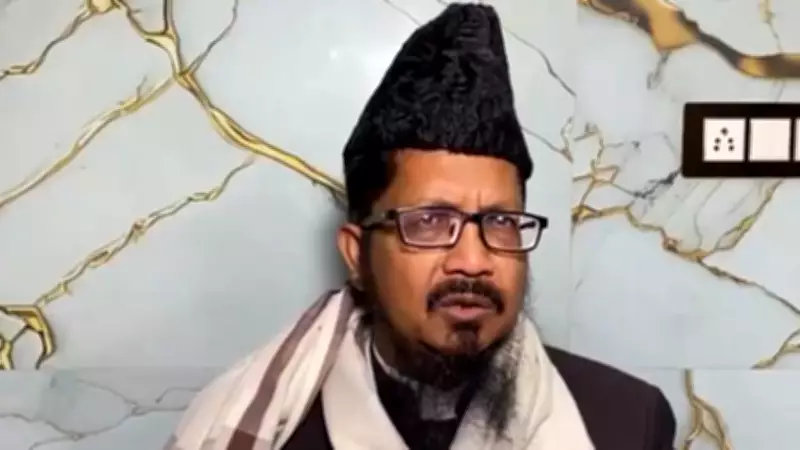
In a significant appeal from Uttar Pradesh, Maulana Shahabuddin Razvi Barelvi, the National President of the All India Muslim Jamaat, has publicly urged Prime Minister Narendra Modi to intervene as a mediator in the ongoing tensions between Iran and Israel. Speaking to reporters in Bareilly on Saturday, Maulana Razvi highlighted India's strong diplomatic relationships with key nations involved—the United States, Israel, and Iran—as a foundation for potential mediation efforts.
Emphasis on Dialogue Over Military Action
According to news agency ANI, Maulana Razvi stressed that war is not a solution to international disputes, advocating instead for dialogue as the only viable path forward. "This war is not the solution to any issue. The solution is dialogue, and the issue should be resolved only through dialogue," he stated. He commended Iran for its stance in the conflict, claiming it has challenged the dominance of both the US and Israel. "By not bowing down, Iran has shattered America's pride and Israel's arrogance. America is infuriated by the retaliatory action taken by a poor country, and Israel is in a state of panic, due to which they want a coup in Iran, but that is not possible," he added.
Appeal to India's Diplomatic Channels
Maulana Razvi specifically called on PM Modi to leverage India's diplomatic channels to de-escalate the situation. "I want to tell Prime Minister Modi that he has good relations with America, Israel, and Iran, and on the basis of those relations, he should mediate and stop this war," he urged. This appeal comes amid rising fears of a broader regional conflict in the Middle East, with recent incidents including missile strikes and explosions reported in areas like Bahrain, Abu Dhabi, and Doha.

Background of Regional Tensions and Mourning in Iran
The remarks are set against a backdrop of heightened tensions, with Iran currently observing 40 days of national mourning following the death of Ayatollah Ali Khamenei. The Supreme Leader's office has announced this period of mourning, marked by flags at half-mast and public gatherings across the country. Khamenei, who led Iran since 1989 after succeeding Ruhollah Khomeini, was known for maintaining a firm stance against Western influence.
Security has been tightened across Iran, particularly in major cities such as Tehran, as authorities work to prevent unrest. Attention is now focused on the process of selecting Khamenei's successor, with speculation mounting over potential candidates and the future direction of Iran's leadership. This internal transition adds another layer of complexity to the regional dynamics, as the world watches for developments that could impact global stability.
Maulana Razvi's call underscores the potential role India could play in international diplomacy, leveraging its neutral stance and strong bilateral ties to foster peace. As conflicts escalate, the emphasis on dialogue and mediation highlights a growing global concern for de-escalation and peaceful resolution in volatile regions.






