NDMA Sets 'Zero Death' Goal for Uttarakhand, Prioritizes Safety in Development
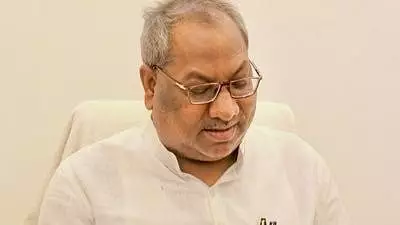
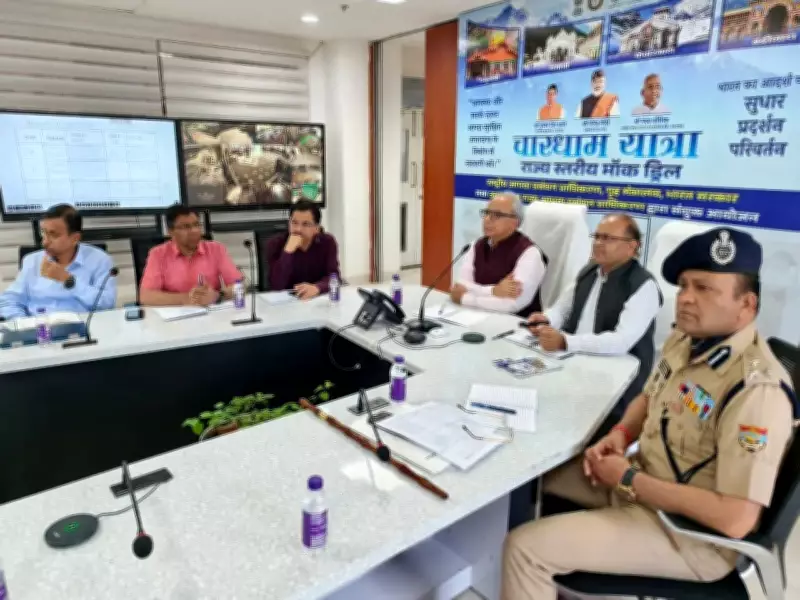
In a significant push for enhanced disaster preparedness, the National Disaster Management Authority (NDMA) has directed Uttarakhand to work towards a "zero death" target in future calamities. The call was made by NDMA member Dinesh Kumar Aswal during a high-level review meeting at the Uttarakhand State Disaster Management Authority (USDMA) in Dehradun on Tuesday.
Balancing Development with Disaster Risk Reduction
Dinesh Kumar Aswal stressed that while development is essential, it must not compromise safety or become a catalyst for future disasters. "Development should not come at the cost of safety," he asserted, urging state authorities to integrate risk identification and mitigation at every stage of planning and execution. He assessed preparedness across all 13 districts of Uttarakhand, expressing satisfaction with existing capacities but emphasizing the need for stronger focus on disaster risk reduction (DRR).
Key Initiatives and Technological Upgrades
Aswal highlighted several critical measures to bolster Uttarakhand's disaster resilience:

- Landslide Early Warning System: He underlined the urgent need to develop a comprehensive landslide early warning system for the state, with NDMA offering technical and institutional support.
- Communication Gaps: Addressing connectivity issues in remote areas, Aswal directed officials to identify mobile network "shadow zones" across districts and submit detailed reports. NDMA will coordinate with telecom providers to improve coverage.
- GIS Mapping: Officials were instructed to carry out detailed GIS mapping of resources, vulnerable locations, and villages, integrating this data into district disaster plans.
- Digital Twin Technology: Pushing for technological innovation, Aswal advocated using advanced tools like digital twin technology for disaster prediction and encouraged startups to develop solutions in this sector.
Community Participation and Institutional Preparedness
Describing community involvement as the "strongest pillar" of disaster management, Aswal reviewed the 'Yuva Aapda Mitra' initiative and called for expanding volunteer training. He also stressed that disaster management plans must be made mandatory for institutions including schools, colleges, hospitals, malls, and residential complexes.
To ensure swift emergency responses, district magistrates were directed to hold monthly coordination meetings with agencies such as the Army, Air Force, NDRF, and paramilitary forces.
Addressing Specific Risks and Building Resilience
Aswal addressed Uttarakhand's unique challenges:
- Forest Fires: He suggested converting pine needles (pirul), a major fire cause, into fuel briquettes, with NDMA ready to fund such initiatives.
- Vulnerable Villages: Aswal proposed phased relocation of highly vulnerable settlements and developing model disaster-resilient communities in each district.
- Construction Practices: Emphasizing stricter enforcement of building bylaws, he called for construction methods suited to the fragile Himalayan terrain.
State Government's Response and Funding Requests
Meanwhile, Vinod Kumar Suman, Secretary (Disaster Management and Rehabilitation), sought relaxation in State Disaster Response Fund (SDRF) norms to allow dredging work for river channelization. He confirmed that disaster management plans for line departments have been prepared, while plans for other institutions are being developed rapidly.
Aswal lauded Uttarakhand's state and district disaster management plans (SDMP and DDMP), calling them a "milestone in strengthening disaster resilience." The comprehensive review signals a renewed focus on proactive measures to protect lives and infrastructure in the disaster-prone Himalayan state.