Nepal's Landmark Election Kicks Off with Modest Early Turnout
Nepalese citizens headed to the polls on Thursday morning, marking a significant moment in the nation's political landscape. This general election is the first to be held since the government-toppling Gen Z protests that rocked the country last year, adding a layer of historical importance to the voting process.
Early Voting Figures and Security Measures
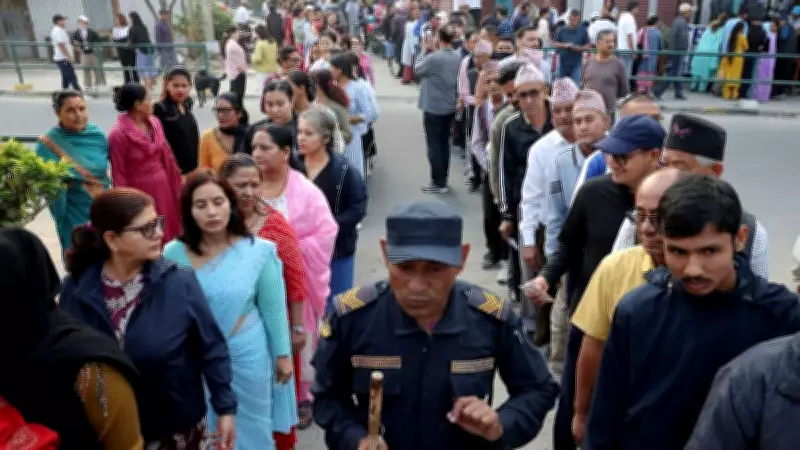
By 9:30 am local time, election officials reported a voter turnout of approximately 6% across all 165 constituencies. This early figure provides an initial glimpse into public participation in this crucial electoral event. The polling booths opened amid tight security arrangements, with authorities deploying enhanced measures to ensure a smooth and safe voting experience for all citizens.
The significance of this election cannot be overstated, as it represents a pivotal step in Nepal's democratic journey following the widespread youth-led demonstrations that led to significant political changes. Voters began arriving at polling stations early in the morning, with lines forming as people exercised their democratic rights in what many see as a referendum on the country's future direction.

Context of the Gen Z Protests
Last year's Gen Z protests were characterized by massive youth mobilization and demands for governmental reform and accountability. These demonstrations ultimately resulted in the toppling of the previous government, setting the stage for this current electoral process. The protests highlighted growing political engagement among younger demographics and raised expectations for transparent governance.
The election is being closely watched by both domestic and international observers, who are monitoring not just the turnout numbers but also the overall conduct of the voting process. With 165 constituencies participating, the logistical challenges are substantial, particularly given the need for heightened security in the wake of last year's unrest.
Voter Sentiment and Electoral Implications
Initial reports suggest that voters are approaching this election with a mix of hope and caution. Many citizens expressed that they see this as an opportunity to shape Nepal's political future after the turmoil of the protests. The modest 6% turnout in the early hours is typical for morning voting patterns in the region, with officials expecting numbers to increase as the day progresses.
The election outcomes will determine the composition of Nepal's new government and potentially influence policy directions on key issues such as economic development, social reforms, and international relations. As polling continues throughout the day, election authorities remain vigilant, ensuring that all votes are cast freely and counted accurately.
This electoral event serves as a critical test of Nepal's democratic institutions and their ability to facilitate peaceful political transitions. The combination of historical context from the Gen Z protests and current voting dynamics makes this one of the most significant elections in Nepal's recent history.