

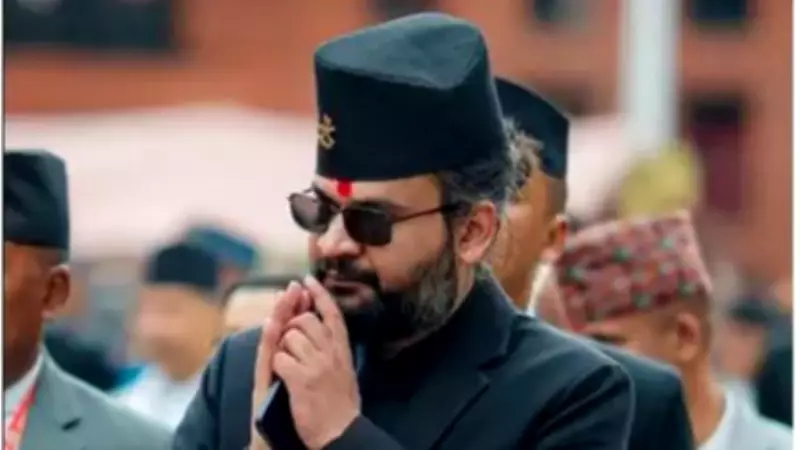
Nepal PM Balen Shah Accepts Modi's Invitation, Unveils Sweeping 100-Point Reform Agenda
In a significant diplomatic development, Nepal Prime Minister Balendra "Balen" Shah has formally accepted an invitation from Indian Prime Minister Narendra Modi to visit New Delhi. This move comes as Shah simultaneously initiates a comprehensive and radical 100-point governance agenda aimed at transforming Nepal's domestic political and administrative landscape.
Diplomatic Outreach to India Confirmed
Foreign Minister Shishir Khanal confirmed the acceptance, stating, "The Nepal government has accepted the invitation, and the foreign ministries of both countries are now making preparations for the visit." Khanal indicated that this trip will represent Shah's first major diplomatic outreach since assuming office, marking a crucial step in bilateral relations between the neighboring nations.
The last official visit by a Nepali Prime Minister to India occurred in June 2023 when Pushpa Kamal Dahal "Prachanda" traveled to New Delhi. Shah's upcoming visit is therefore being closely watched as it could set the tone for future India-Nepal relations under his administration.

Radical 100-Point Governance Overhaul
Concurrently, the new government in Kathmandu has proposed sweeping changes through its ambitious reform agenda. The 100-point plan directly targets several longstanding issues in Nepali governance and society:
- Elimination of VIP Culture: Measures to reduce special privileges and entitlements for government officials and political elites
- Political Influence in Education: Banning party-affiliated student organizations from schools and universities
- Bureaucratic Reforms: Reducing political interference in civil service operations
- Public Service Efficiency: Addressing delays in government service delivery to citizens
- Healthcare Access: Ensuring free medical services for economically disadvantaged populations
- Women's Safety: Implementing measures for safer public transportation systems
- Education Reform: Creating stress-free learning environments for younger school children
Specific Structural Changes Proposed
The reform package includes concrete structural modifications to Nepal's governance framework:
- Ministry Consolidation: Reducing the number of federal ministries to streamline government operations
- Depoliticization of State Machinery: Banning political affiliations for certain sections of government institutions
- Educational Transformation: Replacing party-linked student bodies with non-partisan platforms within 90 days
Announcing these educational reforms, Prime Minister Shah declared, "Schools and colleges will no longer serve as arenas for political activity but will function solely as centres of learning." The new system will establish non-partisan student councils or "Voice of students" platforms to replace the existing politically-aligned organizations.
This dual approach—combining international diplomatic engagement with comprehensive domestic reform—demonstrates Shah's strategy of balancing external relations with internal transformation. The 100-point agenda represents one of the most ambitious governance overhauls proposed in recent Nepali political history, targeting fundamental aspects of how the state interacts with its citizens and institutions.






