Nepal's 2026 Election: A Nation Votes After Youth-Led Protests
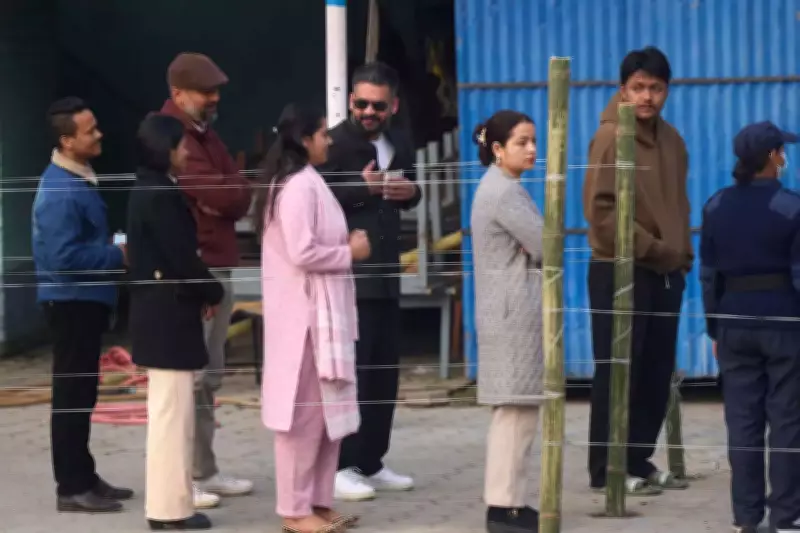
Nepal has embarked on a pivotal democratic exercise, conducting its first nationwide election since the violent Gen Z protests of 2025 shook the country's political foundations. Across the Himalayan nation, long queues formed outside polling stations as nearly 19 million eligible voters prepared to cast their ballots in a high-stakes contest that many see as a referendum on the establishment.
Massive Security and Logistical Challenges
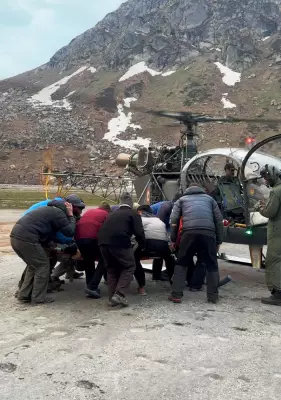
Authorities implemented an unprecedented security operation to ensure a peaceful voting process. Over 340,000 personnel, including 150,000 temporary election police, were deployed nationwide. Vehicles were banned on polling day, and all political gatherings were suspended to prevent any potential unrest. The logistical hurdles were equally daunting, with ballot boxes from remote mountainous regions often requiring manual transport or helicopter flights, complicating the counting process.
The Rise of New Political Voices
This election is marked by the emergence of fresh faces challenging traditional power structures. Balendra "Balen" Shah, a 35-year-old rapper-turned-politician and former Kathmandu mayor, has become a symbol of change. Campaigning on platforms of education reform, healthcare improvements, and government transparency, Shah attracted large crowds of young supporters, directly contesting former Prime Minister KP Sharma Oli in one of his strongholds.

Traditional Parties Under Pressure
While established parties like Nepali Congress and the Communist Party (UML) maintain significant influence, public anger over political instability and corruption remains high. The 2025 protests, which began as opposition to a social media ban and escalated into nationwide demands for accountability, resulted in 77 deaths and the resignation of Prime Minister Khadga Prasad Oli. This election serves as a critical test of whether these traditional entities can adapt to the evolving political landscape.
Election Mechanics and Voter Demographics
A total of 6,541 candidates are competing for 275 seats in the House of Representatives. Of these, 165 seats are filled through direct first-past-the-post voting, while the remaining 110 are allocated via proportional representation. Notably, over half of the nearly 18.9 million registered voters are aged between 18 and 40, giving younger demographics substantial influence over the outcome. Early reports indicated a voter turnout of around six percent by 9:30 AM, with counting set to begin once all ballots are collected.
For many Nepalis, this election transcends mere politics; it represents a historic opportunity to shape the nation's future direction. With no single party expected to secure a majority, coalition-building will likely determine the next government, which will face immediate pressure to address the grievances that fueled last year's unrest.