

Nepal's New Government Makes Dramatic Move Against Former Leadership
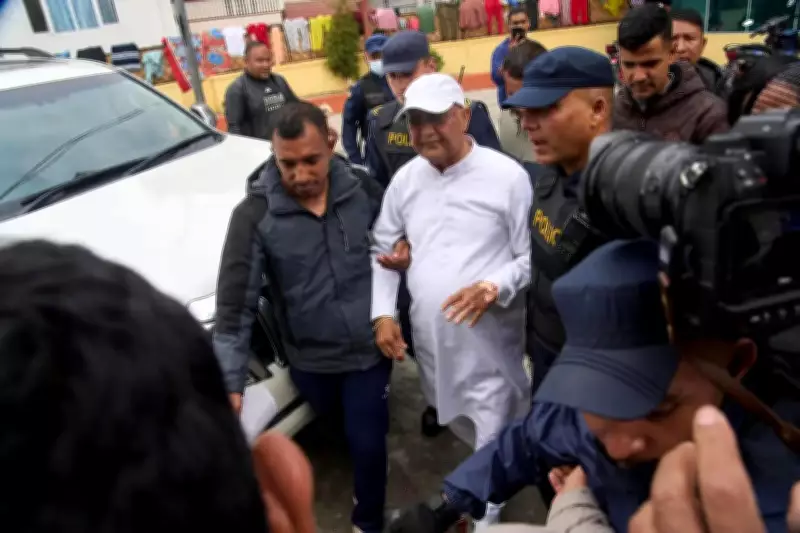
In a bold and swift action that has sent shockwaves through Nepali politics, the newly sworn-in government of Prime Minister Balendra "Balen" Shah has ordered the arrest of former Prime Minister KP Sharma Oli and former Home Minister Ramesh Lekhak. This dramatic move comes less than twenty-four hours after Shah, aged 35, took his oath of office, signaling a decisive break from the previous administration.
Arrests Follow Leaked Commission Report on Deadly Crackdown
The arrests are directly linked to the violent crackdown on Gen Z protesters in September 2025, an event that resulted in the deaths of seventy-six people. The government stated it is acting upon the recommendations of the "leaked" Gauri Bahadur Karki commission report, which called for a criminal investigation into the roles of Oli and Lekhak. This fulfills a key campaign promise made by Shah during his election campaign.
Police detained the 74-year-old Oli from his residence in Bhaktapur, on the outskirts of Kathmandu, while Lekhak was picked up separately. A significant police presence was deployed outside Oli's home following the first Cabinet meeting of the Shah administration, which decided to implement the panel's findings.

Government Officials: "No One Is Above the Law"
Home Minister Sudan Gurung, commenting on this first major act of the new government, declared, "Promise is promise. No one is above law. Former PM Oli and former HM Lekhak are taken under control. It's just the beginning of justice." This statement underscores the administration's commitment to accountability for the tragic events of 2025.
Damning Findings of the Karki Commission Report
The leaked commission report went far beyond general criticism of the government's response to the protests. It presented several damning conclusions:
- It stated that Oli, as the "executive head" of the government, "should be held responsible for anything, good or bad" that occurred under his administration.
- The commission concluded that "no effort was made to stop or control the firing" on protesters.
- In one of its most severe findings, the report noted that due to "their negligent conduct," "even minors lost their lives."
The panel also criticized the broader state response as the protests escalated. It held Lekhak specifically responsible for failing to effectively mobilize security forces and for not pursuing a political solution as unrest grew. The report further recommended legal action against former police chief Chandra Kuber Khapung and other senior officials involved.
Political Backlash and Legal Challenges Emerge
The arrests have triggered immediate political and legal pushback. Oli rejected the move, telling his lawyers and party colleagues, "This arrest is retaliatory. I will fight it legally, prepare yourselves." Lekhak similarly opposed the action, vowing to contest the case "politically and legally." Leaders from Oli's UML party and the opposition Nepali Congress have dismissed the commission report as "incomplete and biased."
Street Protests and Medical Examination
Supporters of the former prime minister took to the streets in response to the arrests. Scuffles broke out with police outside Oli's residence, roads were blocked, and protesters burned tires and copies of the commission report. Demands for Oli's release grew louder throughout the day.
Due to his existing health conditions, Oli was later taken for a medical examination, while Lekhak remained in police custody. The situation remains tense as the legal and political processes unfold.
A Step Toward Justice for Protesters
For many who participated in the 2025 protests, the arrests represent a long-awaited first step toward accountability. Amrita Ban, a 23-year-old Gen Z activist who joined the protests and attended Shah's oath ceremony, expressed cautious hope. "Seeing Oli and Lekhak being arrested gives me hope that justice is indeed finally beginning," Ban said. "This is what many of us in the movement had demanded. But it cannot stop here..."

This unprecedented move by Prime Minister Balendra Shah's fledgling government marks a pivotal moment in Nepal's political landscape, setting the stage for a complex legal battle and testing the new administration's resolve to deliver on its promises of justice and reform.





