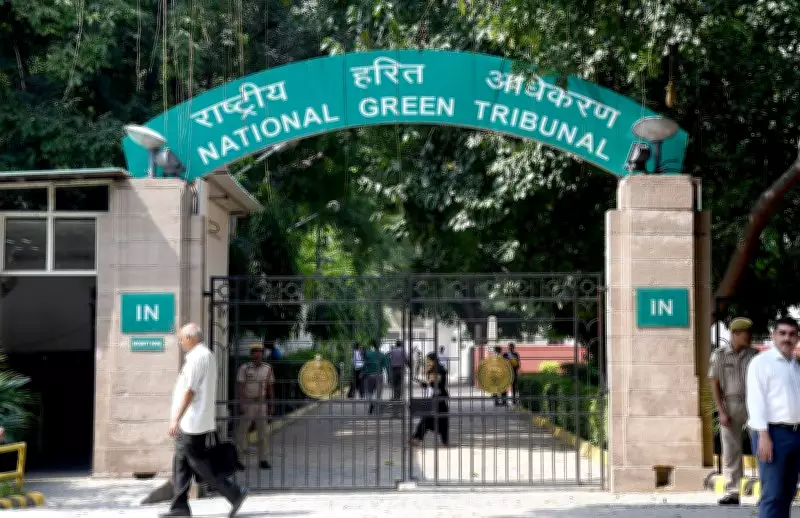
NGT Urges Swift Action on Yamuna Floodplain Demarcation in Delhi
The National Green Tribunal (NGT) has issued a firm directive to authorities in Delhi, calling for an expedited process to demarcate the Yamuna floodplain. This move is aimed at safeguarding the river's ecological integrity and preventing unauthorized encroachments that threaten its natural flow and health.
Background and Legal Mandate
The NGT's order comes in response to ongoing concerns about illegal constructions and activities within the Yamuna floodplain area. The tribunal emphasized that clear demarcation is essential to enforce environmental laws and protect the river from further degradation. Historically, the floodplain has faced issues such as pollution, habitat loss, and unregulated development, which undermine its role in flood control and biodiversity conservation.
Key Directives and Responsibilities
Authorities Involved: The NGT has specifically tasked the Delhi Development Authority (DDA), the Delhi government, and other relevant agencies with executing the demarcation process. They are required to submit a detailed action plan and timeline for completion, ensuring transparency and accountability.

Environmental Protection Measures: The demarcation will help identify and preserve ecologically sensitive zones, restrict harmful activities, and promote sustainable land use practices. This aligns with broader efforts to rejuvenate the Yamuna river, which has been a focus of environmental campaigns and judicial interventions in recent years.
Implications for Urban Planning and Ecology
Expediting the demarcation is expected to have significant implications:
- Prevention of Encroachments: Clear boundaries will deter illegal constructions and squatting, reducing conflicts over land use.
- Enhanced Flood Management: Proper demarcation aids in maintaining the floodplain's natural capacity to absorb excess water, mitigating flood risks in Delhi.
- Biodiversity Conservation: Protecting the floodplain supports aquatic and terrestrial species, contributing to regional ecological balance.
Challenges and Future Steps
Despite the NGT's directive, challenges such as bureaucratic delays, resource constraints, and existing encroachments may hinder progress. Authorities must collaborate effectively and leverage technological tools like GIS mapping for accurate demarcation. The NGT has warned of strict penalties for non-compliance, underscoring the urgency of this environmental imperative.
In conclusion, the NGT's push for expedited demarcation of the Yamuna floodplain marks a critical step toward sustainable urban development and river conservation in Delhi. It reinforces the legal framework for environmental protection and sets a precedent for similar initiatives across India.