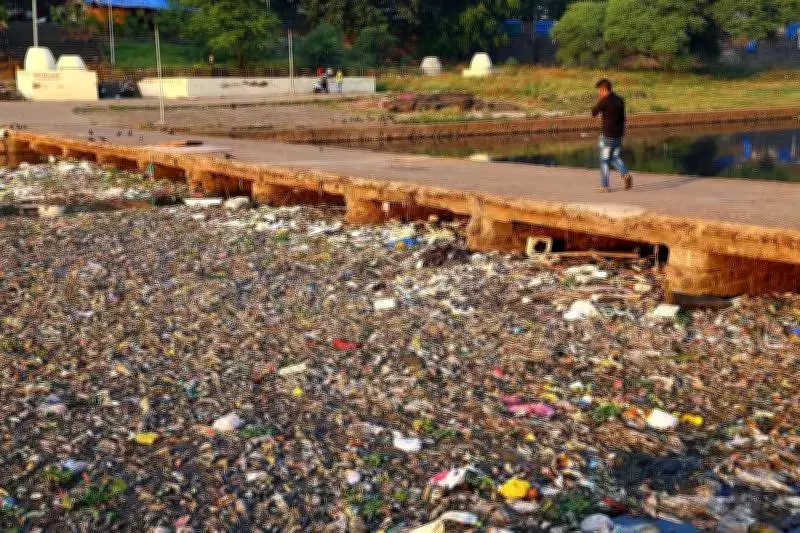
NGT Directs Sugar Cooperative to Pay Rs 1.06 Crore for Ghod River Pollution in Pune
The National Green Tribunal bench in Pune has issued a landmark ruling, ordering the Sahakar Maharshi Shivajirao Narayanrao Nagawade Sahakari Sakhar Karkhana Ltd, located in Shrigonda taluka of Ahilyanagar district, to deposit a substantial environmental damage compensation of Rs 1.06 crore with the Maharashtra Pollution Control Board within two months. This directive comes in response to severe pollution of the Ghod river caused by the discharge of untreated waste and a significant accident at the cooperative's molasses plant.
Compensation for Environmental Restoration
In a ruling delivered on Tuesday, the bench comprising Justice Dinesh Kumar Singh and expert member Sujit Kumar Bajpayee emphasized that the environmental damage compensation amount will be specifically utilized for the restitution and upliftment of the affected site. The bench stated, "The environmental damage compensation amount will be utilized for restitution of the site in question and for its upliftment." This decision underscores the tribunal's commitment to ensuring that polluters bear the financial burden of ecological restoration.
Additional Financial Measures Ordered
Beyond the compensation, the NGT bench has mandated the sugar cooperative to undertake significant preventive and remediation measures. Specifically, the cooperative must spend Rs 75 lakh on preventive actions and an additional Rs 51 lakh on remediation efforts, as estimated by experts from the Vasantdada Sugar Institute. These funds are intended to address the root causes of pollution and mitigate future environmental risks associated with the plant's operations.

Standard Operating Procedure for Future Incidents
In a proactive move to prevent similar incidents, the bench has directed the Maharashtra Pollution Control Board to develop and issue a Standard Operating Procedure within three months. This SOP, to be prepared in consultation with relevant authorities, will establish a scientific and objective method for recording damage to crops and agriculture in the event of any industrial accident in the future. This measure aims to streamline response efforts and ensure accurate assessment of agricultural impacts.
Background of the Case
The case was brought before the green tribunal by farmer Sachin Sudamrao Pachpute from Kashti village in the affected area, represented by advocate Tanaji Gambhire. Pachpute sought directions for the closure of the sugar unit until all remedial measures for environmental restoration were implemented. The applicant highlighted extensive damage to farm fields surrounding the sugar cooperative, attributing it to untreated wastewater and molasses that erupted from an accident on February 12, 2022.
According to the application, an estimated 10,000 to 12,000 metric tons of molasses flowed into the farm fields following the accident, causing significant harm to agricultural land. In addition to the sugar cooperative, the applicant named the Maharashtra Pollution Control Board, the Central Pollution Control Board, and the Ahilyanagar district collector as respondents in the matter.
Expert Panel Findings
An expert panel report by the Vasantdada Sugar Institute cited numerous deficiencies in the operation of the sugar unit and its associated distillery. These findings played a crucial role in the tribunal's decision, highlighting systemic issues that contributed to the pollution and accident. The report's insights into operational shortcomings provided a factual basis for the compensation and remedial orders issued by the NGT.
This ruling sets a precedent for holding industrial units accountable for environmental damage, reinforcing the importance of compliance with pollution control norms and proactive measures to safeguard natural resources like the Ghod river.