

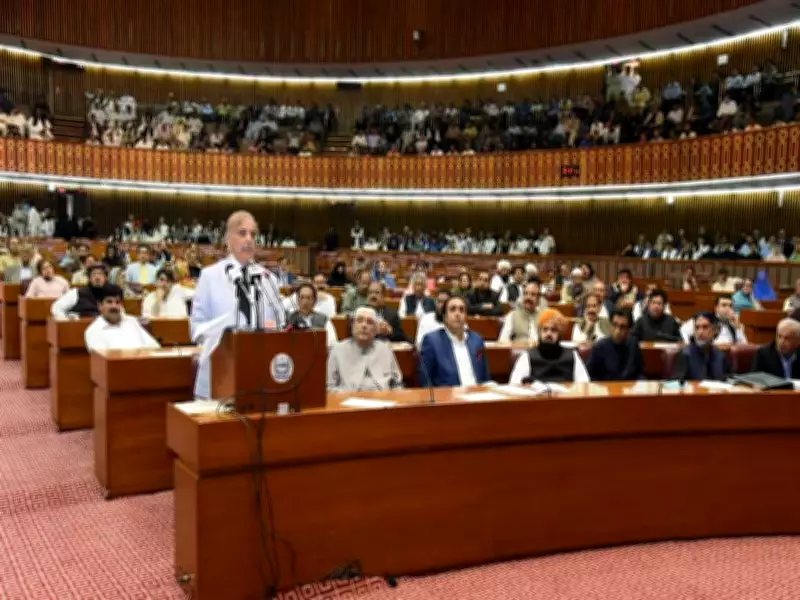
Pakistan's National Assembly Adjourned Amid Uproar Over Record Fuel Price Hike
In a dramatic turn of events, Pakistan's National Assembly session was abruptly adjourned on Thursday following intense uproar from opposition lawmakers over a record fuel price hike. The parliamentary proceedings descended into chaos as members protested the government's decision to increase petroleum prices, leading to a temporary halt in legislative business.
Chaotic Scenes in Parliament
The session, which was scheduled to address various national issues, quickly turned tumultuous when opposition parties raised the issue of the fuel price increase. Lawmakers from the Pakistan Muslim League-Nawaz (PML-N) and Pakistan Peoples Party (PPP) created a ruckus, shouting slogans and demanding an immediate rollback of the price hike. The speaker of the National Assembly was forced to adjourn the session until Friday to restore order.
This marks the second consecutive day of parliamentary disruption related to economic policies, highlighting growing tensions between the ruling coalition and opposition benches. The fuel price adjustment, announced by the government earlier this week, has sparked widespread public anger and political backlash.

Record Fuel Price Increase Details
The government increased petrol prices by approximately 20 Pakistani rupees per liter and diesel prices by 15 rupees per liter, representing one of the steepest hikes in recent years. This decision comes amid rising global oil prices and economic challenges facing Pakistan, including inflation and fiscal deficits.
Opposition leaders have criticized the move as "anti-people" and "burdensome" for ordinary citizens already struggling with high living costs. They argue that the government should explore alternative measures to address economic issues rather than imposing additional financial strain on the public.
Political Implications and Reactions
The adjournment of the National Assembly session underscores the deepening political divide in Pakistan over economic management. Key developments include:
- Opposition parties planning nationwide protests against the fuel price hike.
- Government officials defending the decision as necessary for economic stability.
- Analysts warning that continued parliamentary disruptions could delay important legislative work.
This incident reflects broader challenges in Pakistan's political landscape, where economic policies frequently become flashpoints for partisan conflict. The adjournment may impact upcoming parliamentary agendas, including discussions on the federal budget and other critical matters.
Economic Context and Public Impact
The fuel price increase is expected to have ripple effects across Pakistan's economy, potentially driving up transportation costs and commodity prices. This comes at a time when the country is grappling with:
- High inflation rates affecting essential goods and services.
- Pressure on foreign exchange reserves due to import bills.
- Ongoing negotiations with international financial institutions for support.
Public discontent has been mounting, with citizens expressing frustration over the rising cost of living. The parliamentary uproar mirrors these sentiments, as lawmakers echo constituents' concerns about economic hardships.
The adjourned session is set to reconvene on Friday, but tensions are likely to persist unless a resolution is reached on the fuel price issue. This development highlights the intricate link between economic policies and political stability in Pakistan, with potential implications for governance and public trust.






