Pakistan's Defence Minister Alleges Zionist Role in Iran Conflict
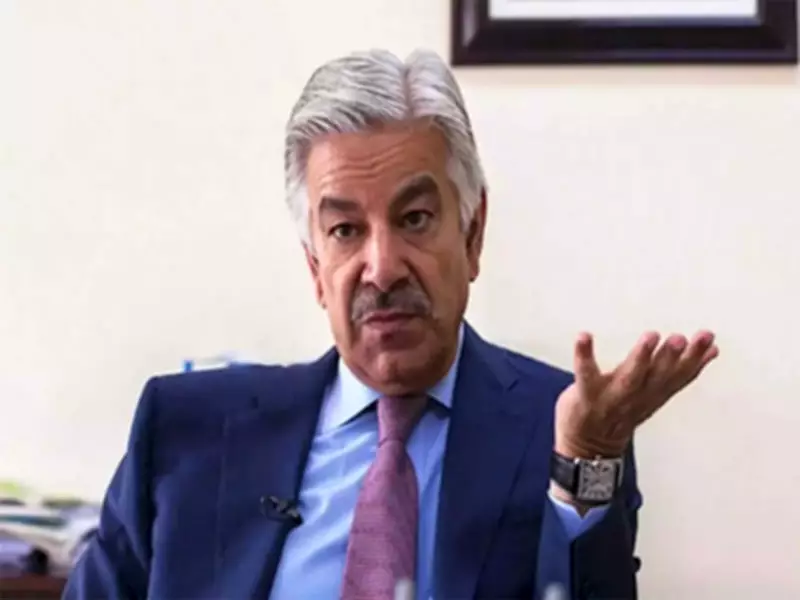
In a significant statement on Tuesday, Pakistan's Defence Minister Khawaja Asif made a bold claim that Zionists are behind the ongoing war in Iran, as part of a broader strategy to extend Israel's influence towards Pakistan's borders. Asif articulated this view in a post on social media platform X, asserting that despite Iran's willingness to negotiate, a conflict has been forced upon them.
He stated, "A war has been imposed upon them, and its agenda, orchestrated by the Zionists, includes bringing Israel's influence right up to Pakistan's border." This remark underscores a deep-seated suspicion of external forces shaping regional dynamics.
Historical Context and Allegations of Conspiracy
Asif expanded on his claims by linking historical events to current tensions. "From the establishment of Israel on the land of Palestine until today, every catastrophe that has befallen the Islamic world, every war imposed upon it, will show the direct or indirect hand of Zionist ideology and the state," he declared. This perspective frames the conflict as part of a long-standing pattern affecting Muslim-majority nations.

Furthermore, the Defence Minister alleged a coordinated effort by neighboring countries against Pakistan. He accused Afghanistan, Iran, and India of sharing a "joint single point agenda" of hostility towards Pakistan. "The joint single point agenda of Afghanistan, Iran, and India will then be enmity towards Pakistan, making our borders insecure, surrounding us with enemies from all sides, and turning Pakistan into a vassal state," Asif claimed, highlighting fears of encirclement and subjugation.
Call for National Unity Amid Regional Tensions
In light of these allegations, Asif issued a rallying cry to the Pakistani populace. He urged all citizens, regardless of political or religious differences, to "understand this conspiracy and the intentions of our eternal enemies." This appeal aims to foster solidarity in the face of perceived external threats.
These remarks come at a critical juncture in Pakistan's foreign relations. Ties with Afghanistan have been particularly strained following recent border clashes, and Afghanistan's increased diplomatic engagement with India in recent months has added to regional complexities. The broader Middle East conflict has escalated significantly, with the United States and Israel conducting major strikes on Iran that resulted in the death of Supreme Leader Ayatollah Ali Khamenei, prompting heavy retaliatory actions from Iran across the region.
The situation underscores the volatile nature of international politics in South Asia and the Middle East, with Pakistan positioning itself as a key player wary of external influences. Asif's statements reflect ongoing concerns about sovereignty and security in a rapidly changing geopolitical landscape.