

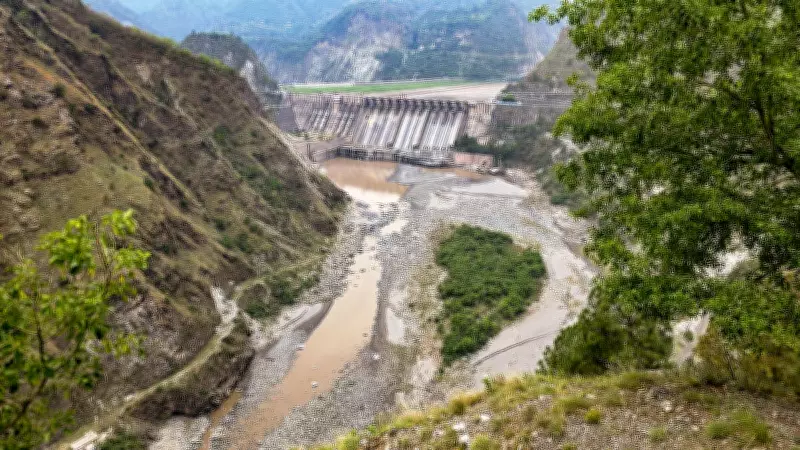
Pakistan Formally Requests Information from India on Svalkot Hydroelectric Project
Pakistan has officially reached out to India, seeking detailed information about the Svalkot hydroelectric project planned on the River Chenab. This diplomatic move underscores ongoing tensions and concerns regarding water-sharing agreements between the two neighboring nations.
Foreign Office Confirms Diplomatic Communication
During a recent weekly press briefing, Foreign Office spokesperson Tahir Andrabi confirmed that the issue of the Svalkot project was discussed at the level of Indus Water Commissioners. He revealed that Pakistan's Indus Water Commissioner formally wrote a letter to Indian authorities in July of last year, requesting comprehensive data and clarifications about the project's specifications and potential impacts.
The Svalkot hydroelectric project has become a focal point in bilateral discussions, with Pakistan emphasizing the need for transparency and adherence to the Indus Waters Treaty. This treaty, signed in 1960, governs the distribution of water resources from the Indus River system between India and Pakistan, and any new developments are subject to scrutiny to ensure compliance.

Background and Implications of the Project
The River Chenab, a major tributary of the Indus River, is crucial for agriculture and hydropower in both countries. India's proposed Svalkot hydroelectric project is seen as a significant infrastructure initiative that could affect water flow and availability downstream in Pakistan. Pakistani officials have expressed concerns that the project might alter the river's natural course or reduce water supply, potentially violating treaty provisions.
This request for information highlights Pakistan's proactive approach to safeguarding its water rights, as outlined in the Indus Waters Treaty. The treaty allocates the waters of the eastern rivers—the Sutlej, Beas, and Ravi—to India, while the western rivers—the Indus, Jhelum, and Chenab—are designated for Pakistan, with some permitted uses for India under specific conditions.
Next Steps and Regional Dynamics
Pakistan's letter seeks to initiate a dialogue and ensure that the Svalkot project does not adversely affect its water security. The response from India will be closely monitored, as it could influence future diplomatic engagements and water management strategies between the two nations.
This development occurs amidst broader geopolitical tensions in South Asia, where water resources are often a contentious issue. Both countries have historically engaged in disputes over hydroelectric projects, making this latest communication a critical test of bilateral cooperation and treaty adherence.
As of now, no official response from India has been publicly disclosed, but the matter is expected to be a key topic in upcoming meetings between the Indus Water Commissioners. The outcome could set a precedent for how similar projects are handled under the treaty framework in the future.






