Pakistan's Draft Social Media Post Exposes Backchannel Role in US-Iran Ceasefire Negotiations
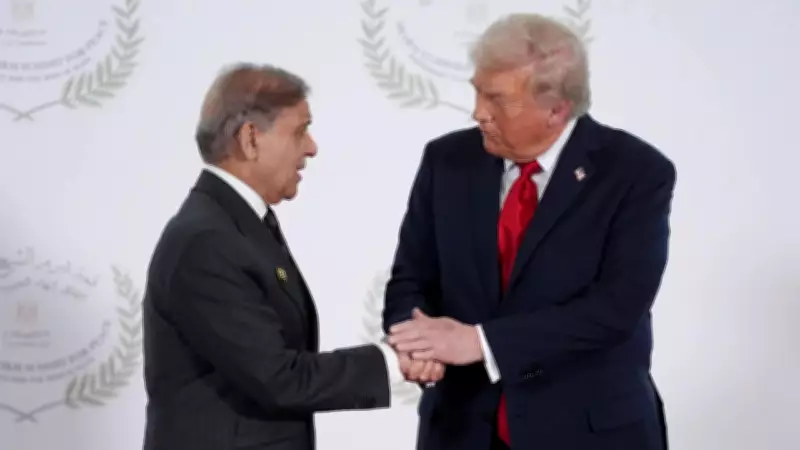
As former US President Donald Trump approached his self-imposed 48-hour deadline for potential military action against Iran, an unusual social media post by Pakistan's Prime Minister Shehbaz Sharif, briefly uploaded as a "draft," raised significant questions about whether Washington utilized Islamabad to signal a diplomatic off-ramp before announcing a ceasefire. According to detailed reports from The New York Times and Financial Times, this incident revealed a carefully coordinated backchannel effort that ultimately de-escalated tensions between the two nations.
The Draft Post That Revealed Coordinated Diplomacy
Sharif's appeal posted on X, formerly known as Twitter, seeking a two-week pause in hostilities was far from spontaneous. The statement, which emphasized that diplomacy was "progressing steadily, strongly and powerfully" and urged Trump to extend his deadline, had already been reviewed and cleared by the White House before being made public. This pre-clearance strongly suggested a coordinated messaging strategy between the two governments.
The post initially appeared with the revealing header "Draft – Pakistan's PM Message on X" before being edited, fueling intense speculation among diplomatic observers. Despite this correction, the core message remained unchanged, including the critical line: "We also urge all warring parties to observe a ceasefire everywhere for two weeks," along with a call for reopening the strategically vital Strait of Hormuz.

Pakistan's Crucial Intermediary Role
Financial Times reported that Washington had been working through Islamabad for several weeks to broker a pause in hostilities, with Pakistan's specific role being "to sell it to Tehran." This diplomatic outreach involved Pakistan's military leadership at the highest levels, including Army chief Field Marshal Asim Munir, who maintained direct contact with both senior US officials and Iranian counterparts.
The United States believed Iran would be more receptive to a proposal conveyed by a Muslim-majority neighbor that had maintained neutrality throughout the conflict. Sharif made the proposal public only after extensive consultations, including direct contacts with Iranian Foreign Minister Abbas Araghchi, ensuring Tehran's awareness and potential acceptance of the diplomatic initiative.
Immediate Ceasefire and Diplomatic Aftermath
Within hours of the post's publication, Washington and Tehran confirmed a two-week ceasefire, stepping back from what could have been a dangerous escalation. Trump, who had earlier warned of sweeping strikes if Iran failed to comply with US demands, stated, "A two week period will allow the Agreement to be finalized," and explicitly indicated that conversations with Pakistan's leadership had directly influenced the decision to pause hostilities.
While a White House official later denied that Trump had authored Sharif's statement, the entire episode clearly demonstrated how active diplomatic channels remained operational even as public rhetoric between the nations escalated dramatically. This backchannel diplomacy proved crucial in preventing what could have developed into a broader regional conflict.
Ongoing Negotiations and Remaining Challenges
Following the ceasefire announcement, Iran agreed to begin talks with the United States in Islamabad, with the proposed framework reportedly linked to reopening the Strait of Hormuz, a critical global oil shipping route. However, significant differences remain over key elements of Iran's plan, particularly concerning its nuclear program and regional activities.
Despite the ceasefire announcement, sporadic strikes have continued across the region, highlighting the fragile nature of the temporary peace. The diplomatic breakthrough facilitated by Pakistan's intermediary role represents just the beginning of what promises to be complex and challenging negotiations between the longstanding adversaries.