

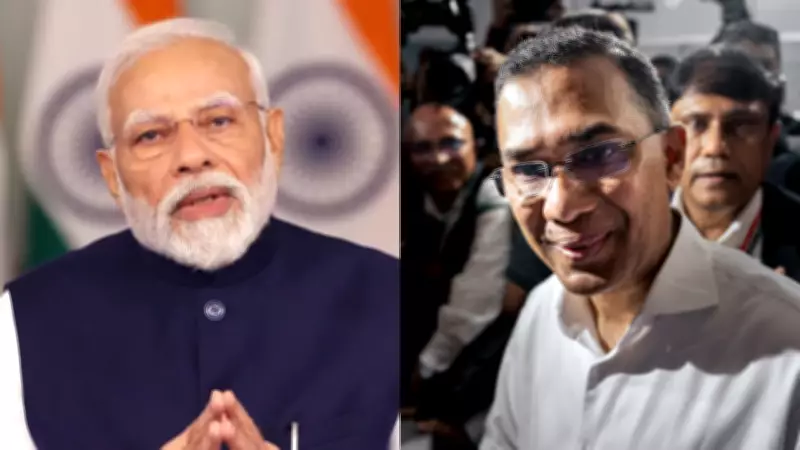
PM Modi Extends Congratulations to Tarique Rahman on BNP's Decisive Election Victory
Prime Minister Narendra Modi on Friday extended his warm congratulations to Bangladesh Nationalist Party (BNP) chief Tarique Rahman following his party's "decisive victory" in Bangladesh's parliamentary elections. In a post on social media platform X, PM Modi affirmed India's continued support for a "democratic, progressive and inclusive" Bangladesh.
A Landslide Mandate for the BNP
The BNP secured a commanding two-thirds majority in the general elections, winning more than 200 seats. This represents one of the party's strongest performances, surpassing its previous record of 193 seats achieved in 2001. The outcome is widely viewed as paving the way for political stability after months of unrest that followed the ouster of former Prime Minister Sheikh Hasina in a Gen Z-led uprising in August 2024.
Rahman, the son of BNP founder and former president Ziaur Rahman, is expected to be sworn in as the new prime minister. He returned to Dhaka in December after spending 18 years abroad. His father, who ruled Bangladesh from 1977 until his assassination in 1981, remains a prominent figure in the country's independence-era politics.

Modi's Message of Cooperation
In his congratulatory message, PM Modi stated, "I convey my warm congratulations to Mr. Tarique Rahman on leading BNP to a decisive victory in the Parliamentary elections in Bangladesh. This victory shows the trust of the people of Bangladesh in your leadership."
The Prime Minister added, "I look forward to working with you to strengthen our multifaceted relations and advance our common development goals." This statement underscores India's commitment to maintaining and enhancing bilateral ties with its neighboring country under the new leadership.
Post-Election Developments and Restraint
Soon after the election results became clear, the BNP issued a statement thanking voters and urging restraint among supporters. "Despite winning ... by a large margin of votes, no celebratory procession or rally shall be organised," the party declared, instead calling for nationwide prayers. This measured response aims to maintain calm following a period of political turbulence.
Historical Context and Political Shifts
This election marked the first since Sheikh Hasina fled to neighboring India. Nobel Peace Prize laureate Muhammad Yunus, 85, had been serving as interim head of government following her departure. Hasina, now in exile in New Delhi, had dominated Bangladesh politics for years alongside Khaleda Zia, Rahman's mother and a former prime minister.
The Awami League, which governed for 15 years but was barred from contesting this election, had previously recorded a larger mandate of 230 seats in 2008. Meanwhile, the head of the Islamist Jamaat-e-Islami conceded defeat, stating that his party would not engage in the "politics of opposition" merely for its own sake.
The National Citizen Party (NCP), led by youth activists who were instrumental in the movement against Hasina and part of a Jamaat-backed alliance, managed to win only five of the 30 seats it contested. This indicates a significant consolidation of power by the BNP in the current political landscape.
The election results signal a major political transformation in Bangladesh, with implications for regional diplomacy and India-Bangladesh relations moving forward.






