PM Modi's Malaysia Visit: A Strategic Reboot for Digital, Economic & Security Ties
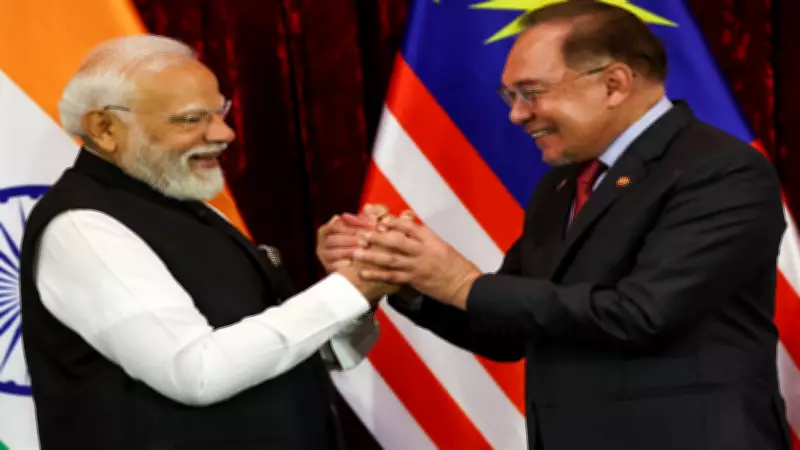
The recent diplomatic mission of Prime Minister Narendra Modi to Malaysia on February 7-8, 2026, represented far more than a standard diplomatic engagement. This visit served as a comprehensive strategic reboot for the bilateral relationship, injecting fresh momentum and establishing a clear roadmap for future collaboration. During discussions in Putrajaya, PM Modi and Malaysian Prime Minister Anwar Ibrahim progressed beyond historical connections to forge agreements focused on a shared future built on digital innovation, industrial growth, and strategic alignment.
Three Pillars of Transformation
The positive outcomes from this significant visit can be categorized into three transformative pillars that will shape the partnership: economic future-proofing, financial sovereignty, and strategic security. Each area saw concrete agreements that move beyond theoretical cooperation into practical implementation.
Digital Economy and Semiconductor Collaboration
Perhaps the most substantial achievement was the formal establishment of the Malaysia-India Digital Council (MIDC) alongside an Exchange of Notes specifically focused on semiconductor cooperation. While global discussions often reference "China Plus One" diversification strategies, this visit translated that concept into actionable policy. Malaysia brings its established expertise as a global packaging and testing hub for semiconductors, while India contributes its rapidly expanding design and fabrication ecosystem.

This collaboration adopts a "talent-first" approach, creating a shared workforce by linking Malaysia's Advanced Semiconductor Academy with IIT-Madras Global. This initiative ensures that future engineers in Chennai and Penang will develop skills on compatible technological architectures, fostering long-term innovation synergy rather than just immediate project completion.
Financial Integration and Sovereignty
For ordinary citizens, including students in Cyberjaya and tourists in Kuala Lumpur, one of the most immediate benefits will be the integration of India's UPI (via NIPL) with Malaysia's PayNet system. This seamless digital payment link enables efficient cross-border transactions, bypassing costly traditional remittance channels that have historically burdened travelers and businesses alike.
Furthermore, the commitment by both the Reserve Bank of India and Bank Negara Malaysia to encourage trade using local currencies (Indian Rupee and Malaysian Ringgit) represents a significant step toward financial resilience. As global markets experience dollar volatility, this move away from "dollar-default" invoicing could substantially lower transaction costs for small and medium enterprises. Successful implementation would make Indian textiles more affordable in Malaysian markets while increasing the competitiveness of Malaysian palm oil in India.
Strategic Security Partnership
The visit also marked substantial progress in consolidating the security dimension of the relationship. The establishment of a Strategic Affairs Working Group (SAWG) and a dedicated Su-30 Forum—recognizing that both nations operate Russian-origin Sukhoi fighter jets—demonstrates pragmatic military cooperation. These security goals will see practical implementation through Malaysia hosting an Expert Working Group on Counter-Terrorism in 2026.
By continuing joint military exercises such as Harimau Shakti and coordinating maritime deployments, India and Malaysia are clearly signaling their shared role as guardians of critical shipping lanes in the Malacca Strait and throughout the wider Indo-Pacific region. For traditionally cautious Malaysia, this represents meaningful forward movement in defense cooperation, potentially opening doors for future procurement of Indian defense equipment.

Cultural and Educational Foundations
Beyond the formal memorandums of understanding, the relationship gains cultural depth through initiatives like the establishment of the Thiruvalluvar Centre at Universiti Malaya and the announcement of dedicated scholarships for Malaysian nationals. These measures ensure the partnership extends beyond government transactions to become a genuine dialogue between peoples.
While student exchanges currently require revitalization, tourism shows promising growth, particularly with improved air connectivity to India's tier 2 cities. Recent statistics indicate approximately one million Indian visitors to Malaysia and 30,000 Malaysian travelers to India in 2024, demonstrating strong people-to-people connections.
Ensuring Implementation Through Private Sector Engagement
The true measure of any joint statement lies in its execution. To prevent these outcomes from becoming archival footnotes, the visit strategically empowered the India-Malaysia CEO Forum. By placing the private sector in leadership roles—particularly in emerging areas like Green Hydrogen (through GENTARI) and affordable healthcare—the leaders have ensured that market dynamics, alongside bureaucratic processes, will drive the partnership forward.
Government-to-government partnerships have established the necessary enabling agreements. Now, the responsibility shifts to industry and academic institutions to realize this potential. As Prime Minister Modi departed Kuala Lumpur, he left behind a comprehensive blueprint for a partnership that has evolved from merely "Acting East" to actively "Growing East" through multidimensional cooperation.