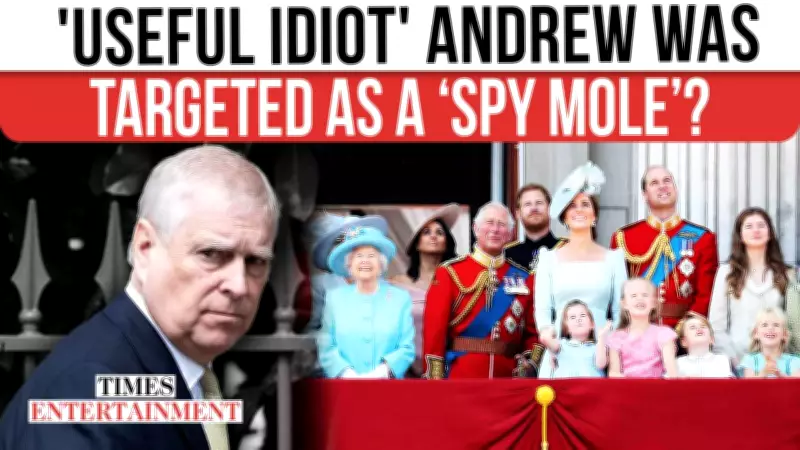
Explosive Report Claims Prince Andrew Was Target for Foreign Influence Operations
An explosive new report has sent shockwaves through diplomatic and royal circles, alleging that disgraced royal Prince Andrew may have been viewed by foreign intelligence agencies as a potential "entry point" into the British establishment. According to the report published by RadarOnline, a classified U.S. assessment allegedly described the Duke of York as the Royal Family's "weak link," suggesting his personal vulnerabilities could be exploited for strategic gain.
Allegations of Exploiting Royal Rifts
The report specifically highlights how foreign handlers might have sought to capitalize on Prince Andrew's documented personal resentments, particularly focusing on his complex relationship with his brother, King Charles. Intelligence analysts reportedly suggested that these emotional fractures within the royal family presented opportunities for manipulation by external actors seeking influence at the highest levels of British society.
While the allegations remain unverified and the full contents of the alleged U.S. assessment have not been publicly disclosed, the report has ignited serious debate about national security vulnerabilities within traditionally closed royal institutions. Security experts have expressed concern about how personal dynamics among senior royals could potentially compromise the integrity of the British establishment.

Broader Implications for Royal Security
The timing of these allegations is particularly sensitive as the Royal Family continues to navigate multiple public relations challenges while maintaining its constitutional role. The report raises fundamental questions about:
- The adequacy of security protocols for royals with diminished official roles
- How personal relationships within the family might create national security risks
- The potential for foreign intelligence services to target individuals based on perceived vulnerabilities
- The balance between royal privacy and necessary security oversight
Prince Andrew has faced significant public scrutiny and legal challenges in recent years, culminating in his withdrawal from public duties in 2019 following controversy surrounding his association with convicted sex offender Jeffrey Epstein. These new allegations suggest his troubles may have implications extending far beyond personal reputation to matters of state security.
Unanswered Questions and Official Response
As the report circulates through media channels, several critical questions remain unanswered:
- What specific evidence supports the alleged U.S. intelligence assessment?
- Which foreign intelligence services were reportedly interested in Prince Andrew as a potential target?
- How have British security services responded to these alleged vulnerabilities?
- What measures, if any, have been implemented to address these security concerns?
Neither Buckingham Palace nor representatives for Prince Andrew have issued formal statements addressing the specific allegations in the report. The lack of official confirmation or denial has only fueled further speculation about the potential truth behind these explosive claims and what they might reveal about the hidden pressures facing modern monarchies in an era of sophisticated influence operations.
The controversy underscores the increasingly complex intersection between royal life, personal relationships, and national security considerations in contemporary Britain. As debates continue about the appropriate boundaries of royal influence and vulnerability, this report serves as a stark reminder that even the most traditional institutions are not immune to modern geopolitical pressures and intelligence operations.