RSP's Potential Victory in Nepal Signals a New Himalayan Order
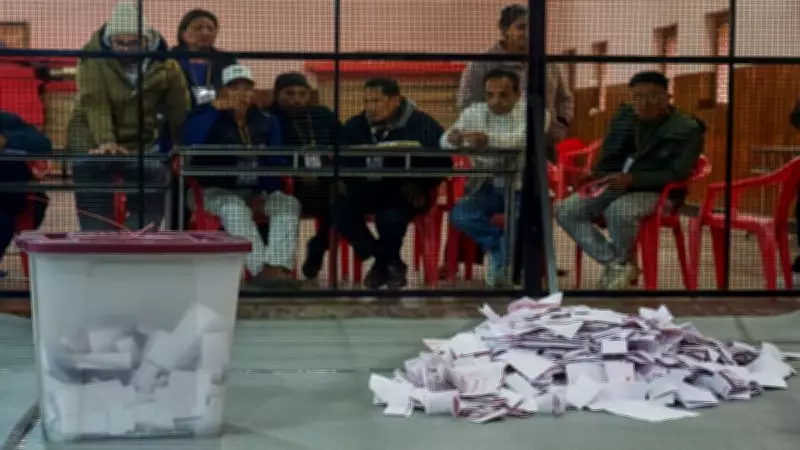
The political landscape of Nepal is poised for a significant transformation as the Rastriya Swatantra Party (RSP) emerges as a formidable contender in the upcoming 2026 elections. This development is not merely a domestic political shift but heralds a broader realignment in Himalayan geopolitics, with profound implications for India's foreign policy approach toward its northern neighbor.
Rise of the Rastriya Swatantra Party and Balen Shah
Led by the charismatic and populist figure Balen Shah, the RSP has rapidly gained traction among Nepal's electorate, particularly the youth and urban populations disillusioned with traditional political dynasties. The party's platform, which emphasizes anti-corruption, economic reform, and national sovereignty, resonates strongly in a country grappling with governance challenges and external influences.
This potential electoral success marks a departure from Nepal's established political order, which has long been dominated by parties like the Nepali Congress and the Communist Party of Nepal (Unified Marxist–Leninist). The RSP's ascent signals a demand for change and a rejection of status quo politics, potentially reshaping Nepal's domestic and international priorities.

Implications for India-Nepal Relations
The rise of the RSP is expected to push India toward a more transactional and pragmatic relationship with Nepal. Historically, India has maintained deep cultural, economic, and political ties with Nepal, often characterized by a paternalistic approach. However, the RSP's emphasis on sovereignty and balanced diplomacy suggests that Nepal may seek to diversify its foreign engagements, reducing over-reliance on any single partner.
This shift necessitates a recalibration of India's strategy, moving from traditional patronage-based ties to a relationship grounded in mutual benefit and specific agreements. Key areas likely to be affected include:
- Trade and Economic Cooperation: Enhanced focus on bilateral trade deals, investment in infrastructure, and energy projects that serve both nations' interests.
- Security and Border Management: Collaborative efforts on border security, counter-terrorism, and managing cross-border movements, with clear terms and expectations.
- Diplomatic Engagements: A more nuanced approach in regional forums like SAARC and BIMSTEC, where Nepal may assert greater independence.
Broader Geopolitical Context in the Himalayas
The RSP's potential victory occurs against a backdrop of increasing geopolitical competition in the Himalayan region, particularly involving China's growing influence. Nepal's strategic location between India and China makes it a critical player in regional dynamics. The RSP's pragmatic stance could lead to a more balanced foreign policy, engaging both neighbors without overt alignment.
This development underscores a new Himalayan order where smaller nations like Nepal are asserting their agency, challenging traditional power structures. For India, this means adapting to a landscape where relationships are increasingly defined by concrete outcomes rather than historical or cultural affinities.
Looking Ahead to the 2026 Elections
As Nepal approaches the 2026 elections, the RSP's trajectory will be closely monitored by regional observers. A victory for Balen Shah and his party could accelerate the shift toward transactional ties with India, setting a precedent for other South Asian nations. India's response will be crucial in shaping the future of bilateral relations, requiring a blend of strategic patience and proactive engagement.
In conclusion, the Rastriya Swatantra Party's rise is more than an electoral phenomenon; it is a catalyst for redefining Himalayan geopolitics. India must navigate this new reality by fostering a relationship with Nepal based on reciprocity and respect, ensuring stability and cooperation in the region.