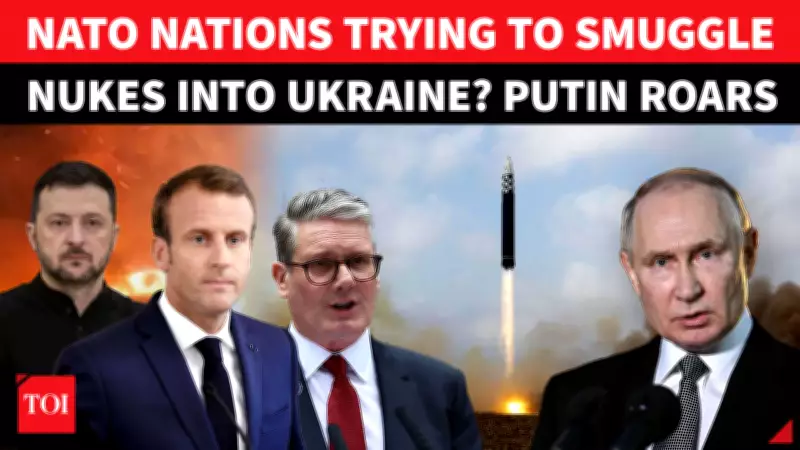
Russia Accuses UK and France of Plotting to Arm Ukraine with Nuclear Weapons
In a dramatic escalation of diplomatic tensions, the Kremlin has publicly accused the United Kingdom and France of considering a secret plan to provide Ukraine with nuclear capabilities. According to statements from Russia's Foreign Intelligence Service (SVR), this alleged plot involves the potential supply of nuclear components or even a French TN 75 warhead to Ukrainian forces.
Kremlin's Stern Warning on Global Security
Kremlin spokesman Dmitry Peskov labeled these claims as "extremely dangerous" during a press briefing, emphasizing that such actions would pose a severe threat to the global non-proliferation regime. Peskov warned that any move to arm Ukraine with nuclear weapons could destabilize international security frameworks and lead to unpredictable consequences.
The Russian State Duma has announced plans to push for formal investigations into these allegations in both London and Paris. Lawmakers are expected to demand transparency and accountability from the British and French governments regarding their alleged involvement in nuclear proliferation activities.

Lack of Evidence and Official Denials
Despite the seriousness of the accusations, no public evidence has been presented by Russian authorities to substantiate these claims. Officials from the United Kingdom and France have not confirmed the allegations, maintaining a stance of silence or non-engagement on the matter. This absence of verification has led to skepticism among international observers, who view the accusations as potentially politically motivated.
Historical Context: The Budapest Memorandum
The allegations resurface long-standing tensions tied to the Budapest Memorandum of 1994, under which Ukraine voluntarily surrendered its Soviet-era nuclear arsenal in exchange for security assurances from Russia, the United States, and the United Kingdom. This agreement was intended to promote nuclear non-proliferation and regional stability, but recent conflicts have strained its provisions.
Russia's accusations imply a breach of this memorandum, suggesting that Western nations might be undermining the very non-proliferation principles they once championed. This has sparked debates about the future of nuclear diplomacy and the integrity of international agreements in the face of ongoing geopolitical strife.
Broader Implications for International Relations
The timing of these allegations is notable, as they come amid heightened military activities and diplomatic standoffs in Eastern Europe. Analysts suggest that such claims could be aimed at:
- Diverting attention from other geopolitical issues
- Justifying further Russian military actions in the region
- Testing the resolve of Western alliances like NATO
As the situation develops, the international community is closely monitoring responses from the UK, France, and other key stakeholders. The lack of concrete evidence so far leaves many questions unanswered, but the potential for escalation remains a significant concern for global peace and security.