Russia Reaffirms Nuclear Test Moratorium
Russia has firmly denied any plans to conduct nuclear weapons testing, with the Kremlin reiterating its commitment to the existing moratorium on Sunday. The statement came as a direct response to recent comments made by former US President Donald Trump regarding nuclear weapons testing.
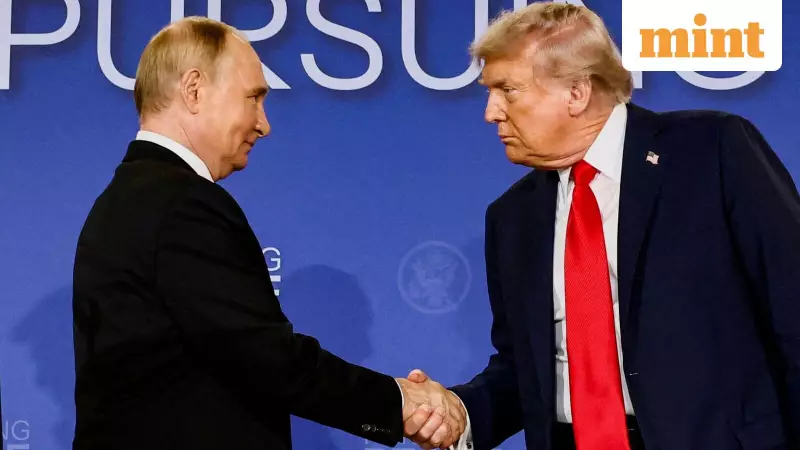
Kremlin spokesman Dmitry Peskov emphasized that President Vladimir Putin has not ordered any nuclear tests and Russia remains dedicated to its obligations under the nuclear test ban. However, Peskov issued a significant warning that Moscow would be compelled to respond if another nation, particularly the United States, decides to resume testing.
Nuclear Parity and Global Security Concerns
Peskov underscored the critical importance of nuclear parity in global security architecture. "If Washington indeed carries out nuclear weapons tests, Russia will have to reciprocate," he stated during his appearance on Russian television. The Kremlin spokesperson explained that while Russia isn't planning tests, maintaining strategic balance remains non-negotiable.

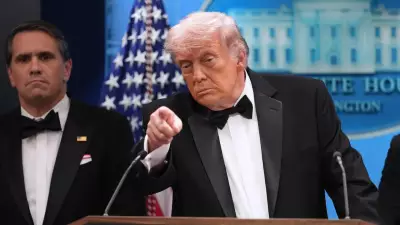
The situation escalated when Donald Trump posted on Truth Social on October 29, revealing he had "instructed the Department of War to start testing our Nuclear Weapons on an equal basis." Trump further claimed the United States possesses more nuclear weapons than any other country, with Russia ranking second and China a distant third.
Strategic Arms Treaty and Diplomatic Exchanges
Meanwhile, Russia continues to await Washington's response to President Putin's proposal regarding the extension of quantitative freeze on strategic weapons. The current START-III treaty is scheduled to expire in February next year, creating urgency in diplomatic circles.
Russian Foreign Minister Sergei Lavrov described Putin's initiative as "constructive" and "free of any hidden agenda" in an interview published by RIA Novosti. Lavrov expressed disappointment at the lack of substantive response from Washington, noting they've only received indications that the matter is "being considered" through diplomatic channels.
The New Strategic Arms Reduction Treaty (START) was originally concluded in 2010 and entered into force in 2011. The agreement required both nations to reduce their strategic forces to no more than 1,550 deployed warheads on no more than 700 deployed strategic missiles and bombers by February 2018.
Despite extension in 2018, verification became challenging due to the Ukraine conflict and subsequent sanctions. Both parties agreed to voluntarily observe the agreed arms limits for an additional year. Putin recently proposed extending this voluntary moratorium for another year starting February 2025.
Recent Weapons Testing and Clarifications
In recent weeks, Russia has conducted tests of advanced weapon systems including the nuclear-powered "Burevestnik" cruise missile and "Poseidon" underwater drone, both featuring unlimited range capabilities. These developments have raised concerns in Washington, though Russian defense commentators clarify these tests don't constitute 'nuclear tests' since they involve weapon platforms rather than actual nuclear detonations.
The United States responded with its own test of Minuteman III ICBMs, though without nuclear payload. Historical context shows Moscow last conducted nuclear tests in 1990, while Washington's last tests occurred in 1992, with both nations maintaining the moratorium on 'hot' nuclear tests since those dates.
As the diplomatic exchanges continue, the international community watches closely how nuclear powers will navigate these delicate strategic balance discussions amid changing global security dynamics.