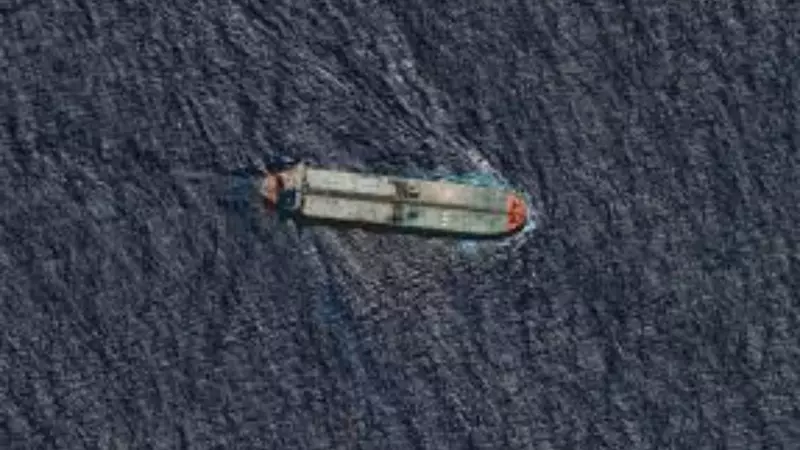
In a dramatic escalation of geopolitical tensions, Russia has dispatched a naval vessel to protect an oil tanker that the United States attempted to seize off the coast of Venezuela. This move comes directly in response to a recent order from a US court that authorized the seizure of the tanker, citing violations of sanctions imposed on Venezuela.
The Confrontation at Sea
The core of the incident revolves around the oil tanker NS Century, a vessel linked to the transport of Venezuelan crude oil. The United States, enforcing its sanctions regime against Venezuela's state-run oil company PDVSA, obtained a court order to seize the tanker. However, Russia's decision to deploy a warship to escort and guard the NS Century has effectively thwarted this American legal maneuver, turning it into a high-stakes international standoff.
This naval deployment underscores the deepening military and economic cooperation between Moscow and Caracas. Venezuela, under President Nicolas Maduro, has become a key ally for Russia in the Western Hemisphere, offering a strategic foothold. In return, Russia provides diplomatic support, economic aid, and military assistance, including the recent deployment of warships to Venezuelan waters, which is seen as a direct challenge to US influence in the region.
Legal Orders and Naval Power
The US District Court for the District of Columbia had issued the seizure warrant for the NS Century, alleging that the tanker was involved in transporting Venezuelan oil in violation of American sanctions. Such sanctions are designed to curb the revenue of the Maduro government, which the US does not recognize as legitimate.
However, the application of US law on the high seas, especially against vessels protected by the naval power of another major nation like Russia, creates a complex legal and diplomatic puzzle. Russia's intervention transforms a sanctions enforcement issue into a potential military incident, highlighting the limits of unilateral economic measures when confronted with determined state-backed opposition.
Broader Implications for Global Politics
This event is not an isolated one. It fits into a pattern of increasing friction between Russia and the United States, with global hotspots like Ukraine and now Venezuela becoming arenas for proxy confrontations. The protection of the NS Century signals Russia's willingness to use its military to safeguard its economic interests and those of its allies, directly challenging US sanctions policy.
For Venezuela, this Russian support is a lifeline. It enables the sanctioned country to continue exporting its most vital resource, oil, thereby sustaining the Maduro regime. The presence of a Russian warship acts as a powerful deterrent, making future US attempts at maritime seizure far more risky and complicated.
The standoff also raises serious questions about freedom of navigation and the escalation of tensions in Caribbean waters. It sets a precedent where naval escorts could become a common tool to bypass international sanctions, potentially leading to more frequent and dangerous encounters between military vessels of rival powers in strategic sea lanes.
In conclusion, Russia's decision to send a navy ship to guard an oil tanker from US seizure is a bold assertion of power. It demonstrates how sanctions regimes can spark wider geopolitical conflicts, moving disputes from courtrooms to the high seas. This incident marks a significant moment in the ongoing struggle for influence in Latin America and underscores the growing volatility in Russia-US relations.